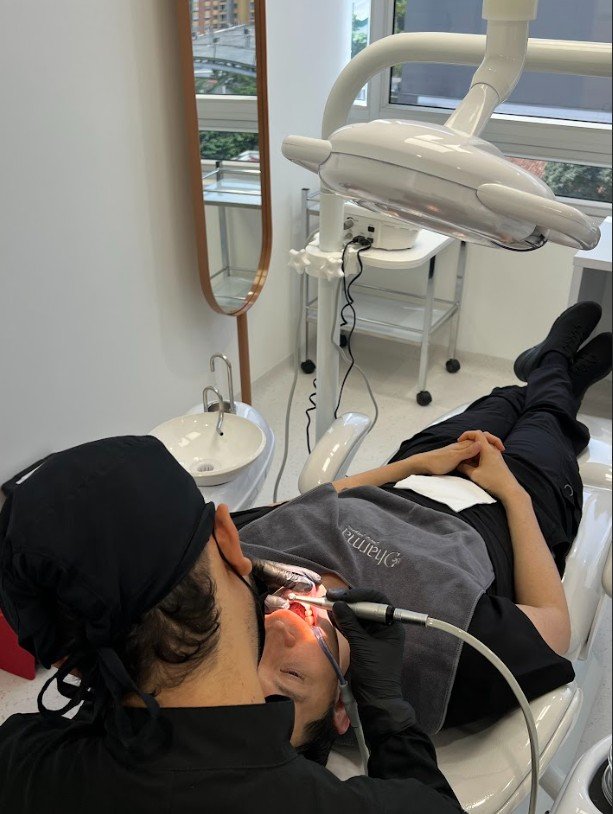
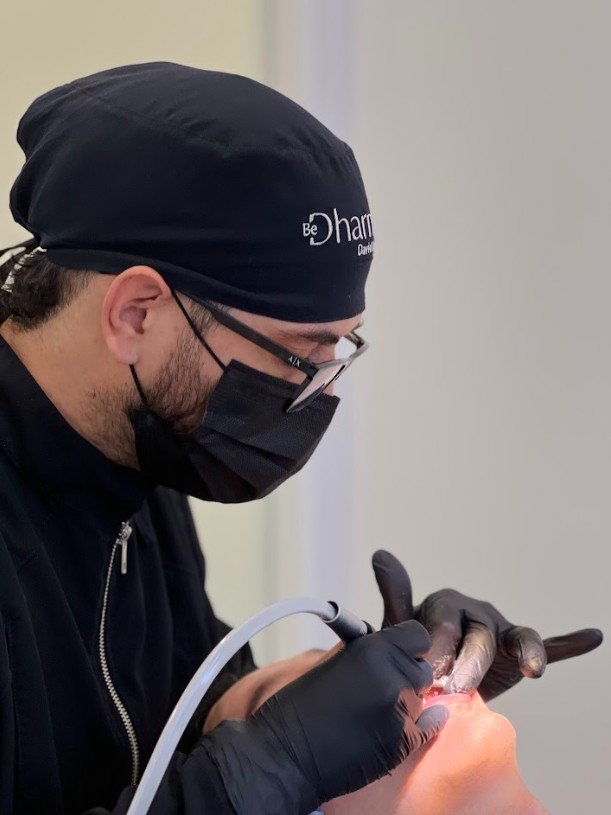
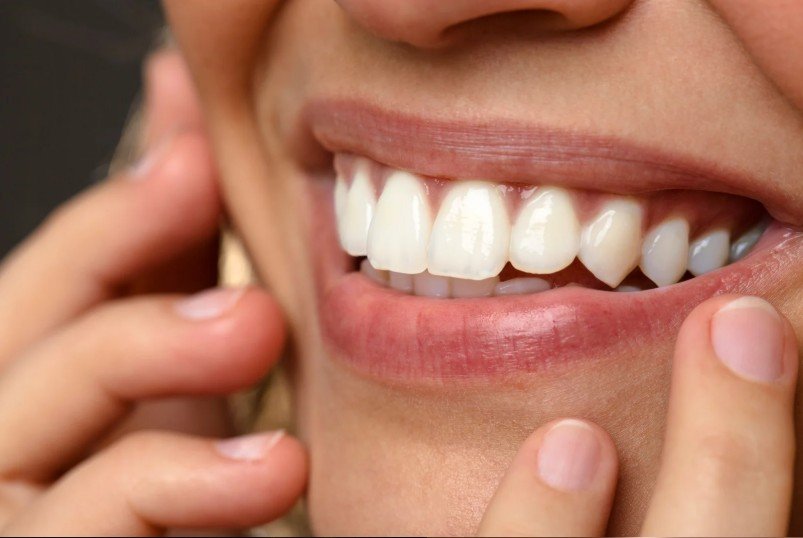
A smile can quietly change the way a face is perceived—sometimes even more than a procedure. That’s why I pay close attention to cosmetic dentistry when I think about facial harmony: tooth display, symmetry, proportions, and the way the smile moves can influence how refreshed, balanced, and confident someone looks in everyday life. In this context, Be Dharma Dental becomes more than a dental office—it becomes a strategic part of an aesthetic plan that aims for natural results.
In this article, I’m introducing Be Dharma Dental through an aesthetic-medicine lens and setting the right expectations: great outcomes in aesthetic dental care should never come at the cost of function, gum health, or long-term stability. If you’re exploring cosmetic dentistry in Colombia, especially in Medellín, my goal is to give you a clear, medically grounded perspective on what a high-standard dental clinic should prioritize—so you can choose safely, plan realistically, and achieve a result that looks like you
What Cosmetic Dentistry Really Means ?
When people hear cosmetic dentistry, they often think it’s only about making teeth “whiter.” It’s a clinical discipline focused on improving color, shape, proportions, and the apparent alignment of teeth—while keeping the foundation healthy. In a well-run dental clinic, everything starts with diagnosis: gum condition, enamel quality, bite stability, and the small details that determine whether an aesthetic change will be predictable and durable. Only then does the aesthetic plan make sense, because a beautiful result that doesn’t respect function will eventually stop looking beautiful.
From an aesthetic dental perspective, the goal is subtle and personal: natural texture, correct tooth length-to-width proportions, harmonious gum lines, and a smile that fits your face—not a one-size-fits-all template. I always tell patients to think in terms of balance rather than “perfection.” The best smiles don’t look done; they look like they’ve always belonged there.
Aesthetic dental outcomes vs. overly aggressive changes
Whiter isn’t always better, and bigger teeth don’t automatically mean a better smile. Overly bright shades can flatten facial features in photos, and exaggerated shapes can fight against your natural proportions—especially when the lips move and the smile is dynamic. That’s why ethical cosmetic dentistry protects what matters most: enamel preservation, respect for gum architecture, and careful consideration of bite and function. If those pillars aren’t protected, aesthetics become temporary.
This is where planning becomes non-negotiable. High-quality records—clinical evaluation, photographs, and structured smile analysis—allow the dental team to choose conservative options when possible, and stage the treatment when needed to protect long-term stability. In other words: the most attractive results are often the ones that were planned with patience, precision, and restraint.
Cosmetic Dentistry in Colombia: Candidate Profiles and a Predictable Plan
If you’re exploring cosmetic dentistry in Colombia, you’re usually not chasing a “perfect” smile—you’re looking for a smile that feels cleaner, more balanced, and more consistent with your face. In my experience, the best candidates are people who want to refine specific details and keep the result natural.
You’re typically a good candidate if you want to improve:
- Discoloration that doesn’t respond well to routine cleaning or at-home whitening
- Worn edges that make teeth look shorter or uneven
- Uneven tooth shape (chips, irregular contours, disproportions)
- Minor spacing or subtle asymmetry in the smile line
- Aesthetic refinements after orthodontics (when teeth are aligned but the smile still looks “unfinished”)
However, the most important detail isn’t what you want to change, it’s how you want it to look. Patients who do best with aesthetic dental treatments are those who value subtlety, proportion, and long-term stability over quick cosmetic fixes.
How should a dental clinic evaluate you?
A high-standard dental clinic should never start with a “package.” It should start with a diagnosis—because aesthetics only last when the foundation is healthy. When I evaluate whether a clinic is truly safe and predictable, I expect a process that follows this logic:
Step 1 — Health first, aesthetics second
Before anyone talks about beauty, the clinic should confirm:
• Gum health (inflammation, bleeding, recession risk)
• Cavities or weak points in enamel
• Overall stability and oral hygiene habits
• Bite function (how the teeth contact and distribute forces)
This isn’t optional. Ignoring these factors is how cosmetic work becomes fragile.
Step 2 — Smile analysis that includes the face
From an aesthetic-medicine perspective, the smile isn’t isolated—it sits inside facial harmony. A proper evaluation should look at:
• Tooth display at rest and while smiling
• Midline (how teeth align with facial reference points)
• Proportions (length-to-width balance)
• Gum symmetry and “frame” of the teeth
• How the smile moves with lips in conversation (not only in photos)
That’s the difference between “white teeth” and truly aesthetic dental results.
Step 3 — Defining priorities and protecting longevity
A careful plan should answer three practical questions:
• What can be done conservatively first? (protect enamel whenever possible)
• What will look natural on your face? (not a generic template)
• How long will it last and how do we maintain it? (maintenance is part of the treatment)
What does the patient journey look like?
A predictable journey for cosmetic dentistry is usually structured in phases. When a clinic works this way, outcomes are easier to trust.
Phase 1 — First visit: evaluation + goals + diagnostic baseline
You should leave the first visit with clarity on:
• Your current oral health status
• What your “priority” improvement really is
• Which options are appropriate for you (not for everyone)
Phase 2 — Plan delivery: options, timeline, and expected result
This is where a quality clinic stands out. You should receive:
• A clear explanation of treatment alternatives (and why one is recommended)
• A realistic timeline that respects your lifestyle or travel dates
• An outline of what maintenance will be required to keep results stable
Phase 3 — Follow-up: protecting the result over time
The best clinics don’t disappear after the “reveal.” They protect results with:
• Post-treatment checks when needed
• Guidance for staining prevention and hygiene
• Long-term planning so the smile continues to look natural, not overdone
Be Dharma Dental Services in Medellín
At Be Dharma Dental, the service portfolio is designed to support cosmetic dentistry with something I consider essential: a clinical sequence that protects health first and then refines aesthetics with precision. In other words, these are not “standalone” treatments sold as quick fixes—each option should make sense within a diagnosis, your facial proportions, and the long-term stability of the result inside a high-standard dental clinic.

Smile Design in Medellín
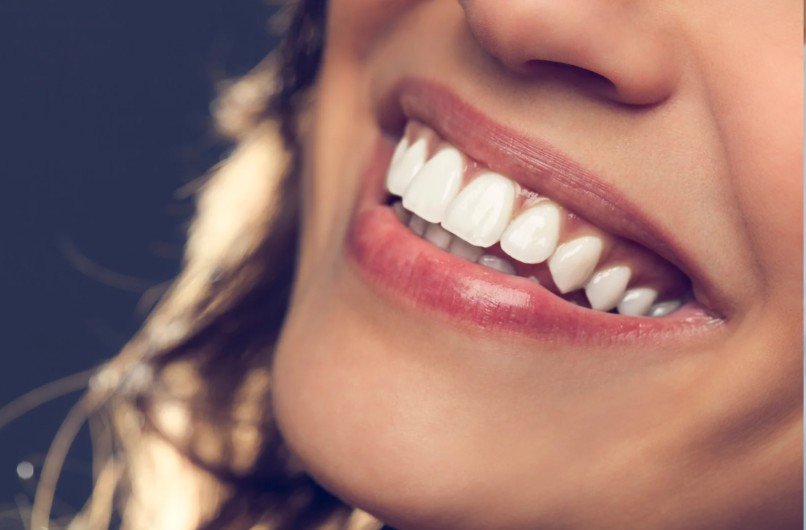
Smile design is a comprehensive approach to improving the shape, color, proportions, and overall harmony of the smile. Done responsibly, it’s not about creating a generic “perfect” look—it’s about achieving a natural outcome that fits your face, respects gum symmetry, and maintains function so the result remains stable over time.
Micro Smile Design in Medellín
Micro smile design focuses on subtle, high-impact refinements—small adjustments that can make the smile look cleaner, more balanced, and more youthful without overcorrecting. It’s often ideal for patients who want a conservative aesthetic upgrade while preserving as much natural tooth structure as possible.
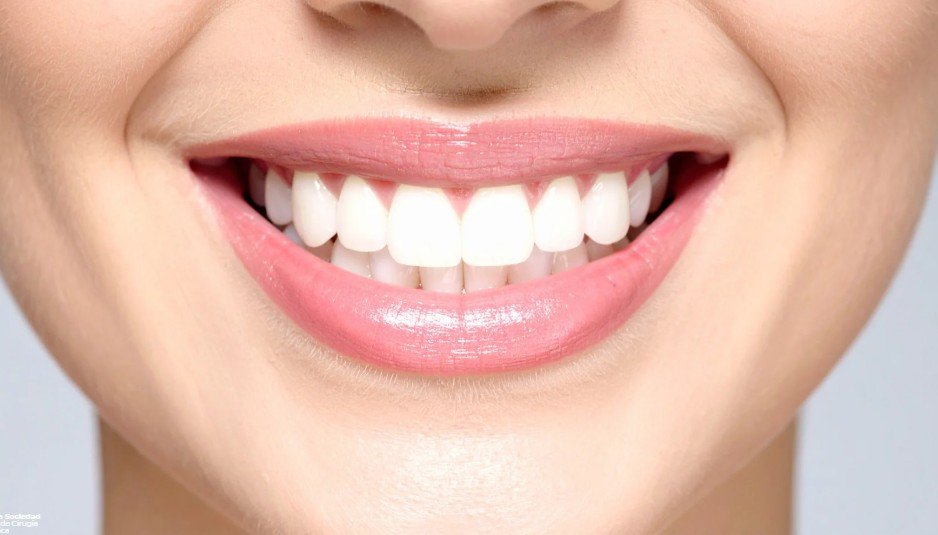
Dental Prophylaxis in Medellín
Professional dental cleaning is the baseline for both health and aesthetics. A well-executed prophylaxis helps reduce surface stains, supports gum health, and creates the right foundation before considering whitening or other aesthetic dental improvements.
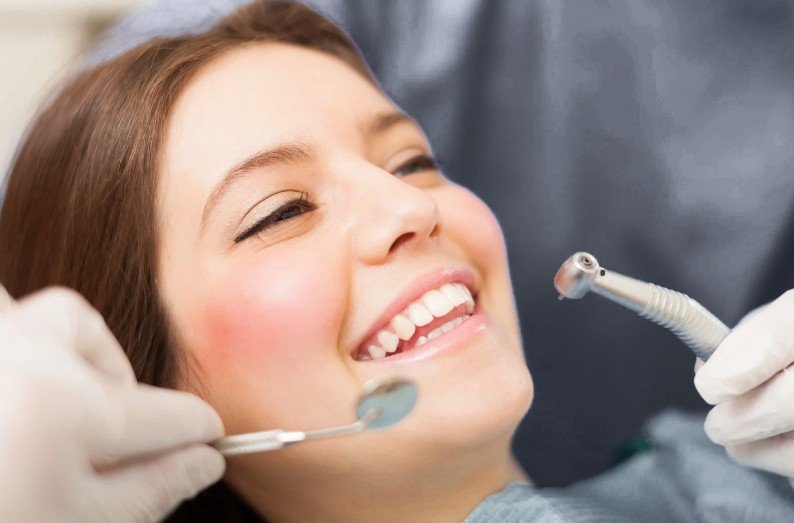
Dental Detartrage in Medellín
Detartrage targets hardened tartar deposits that regular brushing can’t remove, especially around the gumline. This is a health-driven step that also improves the appearance of the smile by restoring cleaner contours and reducing inflammation that can affect gum symmetry.
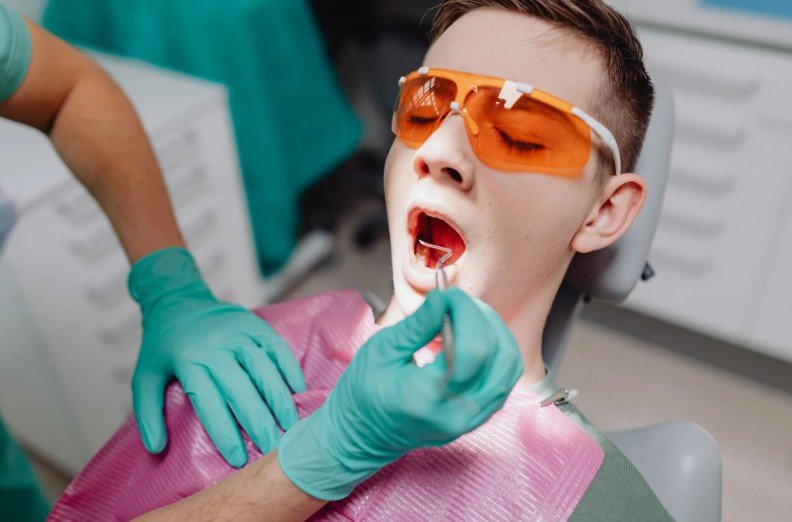
Fluoride Application in Medellín
Fluoride application supports enamel strength and helps reduce sensitivity and cavity risk—particularly important when a patient is planning aesthetic treatments like whitening. Protecting enamel is part of ethical cosmetic dentistry, because durability matters as much as appearance.
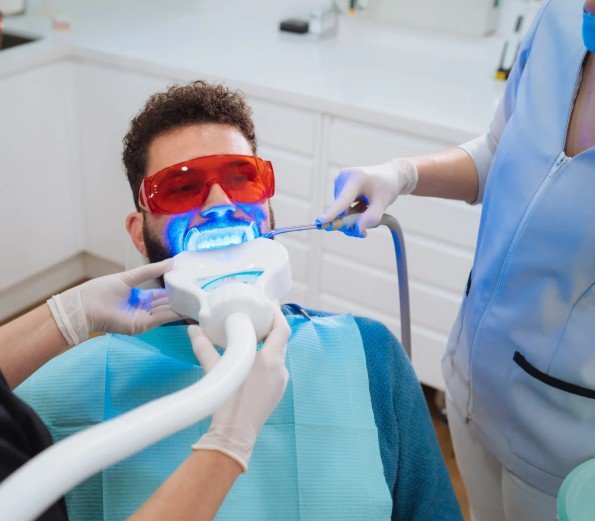
Teeth Whitening in Medellín
Whitening is one of the most requested treatments, but the best results come from correct diagnosis and shade planning. A responsible approach focuses on achieving a brighter, natural-looking tone that complements your facial features—without pushing into overly white shades that can look artificial.
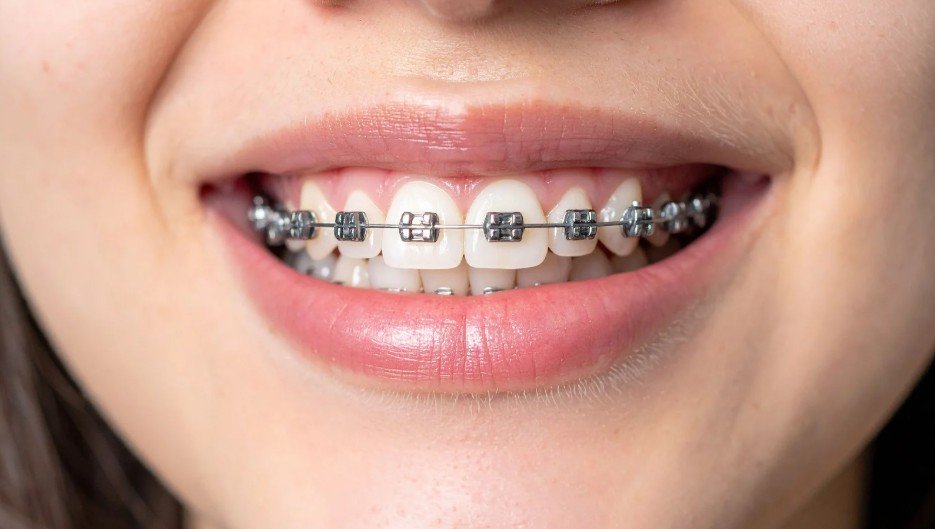
Orthodontic Removal in Medellín
Removing orthodontic appliances is not the end of the aesthetic journey—it’s the transition into refinement and stabilization. A proper evaluation after braces helps define whether minor reshaping, whitening, or restorative finishing is needed so the smile looks complete and balanced.
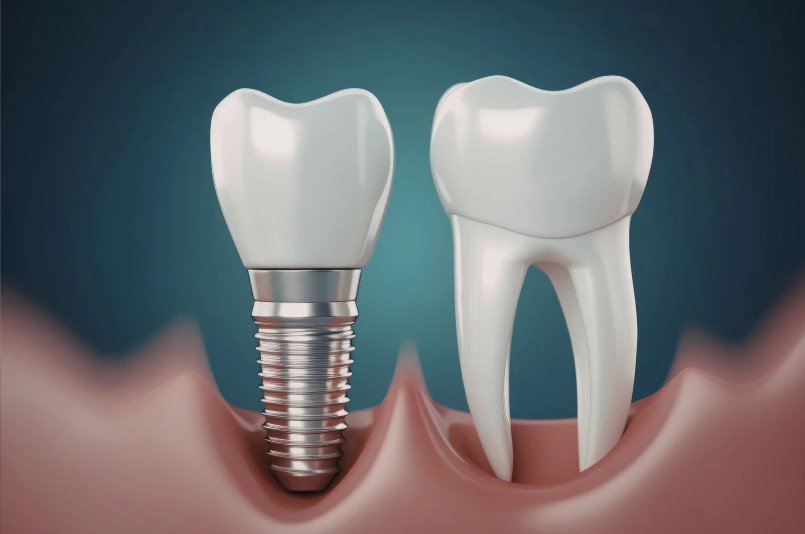
Dental Crowns in Medellín
Crowns can restore both function and aesthetics when teeth are structurally compromised or heavily restored. In a quality dental clinic, crown planning is detail-driven: fit, bite compatibility, and natural morphology are essential so the final result blends seamlessly with the rest of the smile.
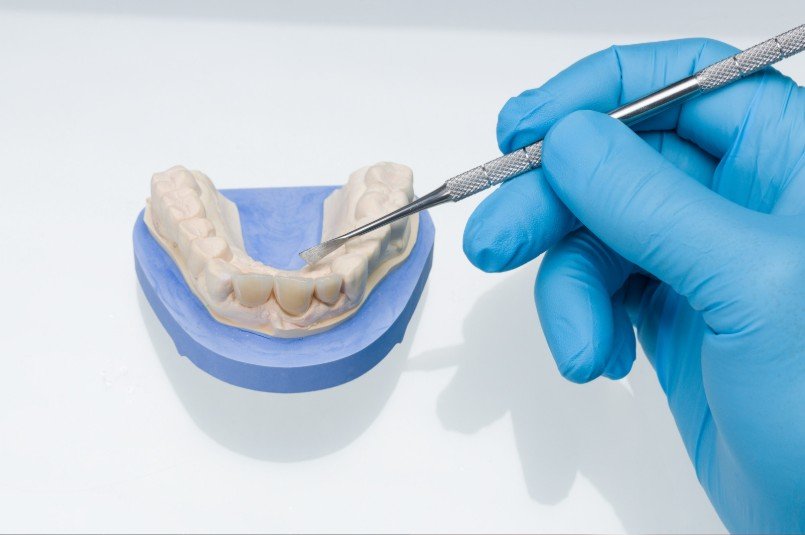
Dental Prosthetics in Medellín
Dental prosthetics address missing or severely damaged teeth with solutions designed to restore stability, comfort, and appearance. From an aesthetic dental standpoint, the priority is a result that looks natural and supports facial structure—because dental support influences how the lower face and smile are perceived.
What to Look for in a Dental Clinic?
When patients ask me how to choose a dental clinic for cosmetic dentistry, I encourage them to look beyond marketing and focus on what predicts a safe, natural, durable result.
Here are the standards I personally consider non-negotiable:
1) Diagnostic-first approach
A trustworthy clinic does not “sell” a smile design in minutes. It should:
- Evaluate gums, enamel, and bite before aesthetics
- Explain limits and risks clearly
- Recommend staging if health must be stabilized first
2) Protocol discipline
Quality is also operational. Ask yourself if the clinic demonstrates:
- Sterilization and clinical safety culture
- Consistent documentation (photos/records)
- Treatment sequencing with medical logic
- Patient education (they explain, not pressure)
3) Materials and craftsmanship
Natural-looking aesthetic dental work depends on details:
- Shade selection that suits skin tone and age (not extreme whiteness by default)
- Tooth morphology that matches facial proportions
- Lab quality and finishing (texture, translucency, edge design)
A smile can be “new” and still look completely authentic—if the craft is high-level.
Safety and predictability for international patients
If you’re traveling for cosmetic dentistry in Colombia, predictability becomes as important as the result. In that situation, I would look for:
A clinic that can clearly define:
- What can be completed within your time window (and what should not be rushed)
- How follow-up will work if you return home
- How they handle adjustments, maintenance, or complications if needed
- Written guidance you can follow after you leave Medellín
In short: good aesthetics are planned; safe aesthetics are planned and supported.
Longevity mindset
The best cosmetic results are not only beautiful on day one—they remain stable and natural-looking over time. A clinic with a longevity mindset will include:
- Hygiene guidance to keep gums healthy
- Recommendations to prevent staining based on habits
- Protective measures when relevant (for example, managing excessive wear)
- A maintenance plan that keeps results consistent without “overcorrecting” later
That’s why I see cosmetic dentistry as a long-term aesthetic decision, not a quick fix. The end goal is simple: a smile that enhances your face quietly—and keeps doing it for years.
Why Be Dharma Dental Is a Reliable Dental Clinic for Cosmetic Dentistry in Colombia?
When I recommend a place for aesthetic care, I look for one thing above all: clinical discipline that protects the result long after the first impression. That’s what I value about Be Dharma Dental. Their approach to aesthetic dental treatment is guided by facial harmony, proportion, and subtlety—not exaggerated trends that look striking for a moment and then feel out of place. Just as importantly, they prioritize preserving natural tooth structure whenever possible, because in medicine—and in aesthetics—conservative planning is often what creates the most elegant outcomes.
What also builds real trust is the way the process is structured. A high-standard dental clinic doesn’t rush into cosmetics; it starts with oral health, then builds aesthetics on a stable foundation. Patients deserve clear communication: options, pros and cons, timeline, and the maintenance needed to keep the smile looking natural. And follow-up matters—results shouldn’t be “delivered and done,” they should be supported over time. Add to that Medellín’s organized medical environment, which is especially valuable for international patients considering cosmetic dentistry in Colombia, and you get something very specific: a place where aesthetics feels human, medically responsible, and designed to still look right years from now.
Frequently Asked Questions
1) What is cosmetic dentistry, and how is it different from general dentistry?
Cosmetic dentistry focuses on improving the appearance of the smile—color, shape, proportions, and overall harmony—while still protecting function and oral health. General dentistry is primarily centered on prevention and treating disease (like cavities and gum inflammation). The best results happen when both are integrated: aesthetics built on a healthy foundation.
2) Why should aesthetics never come before gum health and bite stability?
Because aesthetics can fail if the support system is unstable. Inflamed gums, untreated cavities, or an unbalanced bite can compromise comfort, durability, and long-term appearance. A high-standard dental clinic evaluates health first, then designs the aesthetic plan around what will remain stable over time.
3) What does “natural-looking” aesthetic dental work mean?
It means the smile fits your face. Natural results respect proportion (tooth length and width), subtle texture, and gum symmetry. The shade should look bright but believable—especially in daylight and in real life, not just in photos. The goal is usually an improvement that people notice as “you look great,” not “you changed your teeth.”
4) Is cosmetic dentistry in Colombia a safe option for international patients?
It can be, as long as you choose the right provider and plan realistically. Safety is about standards: diagnosis, protocols, materials, documentation, and follow-up planning. For international patients, predictability matters even more—clear timelines, written aftercare, and a plan for what happens if adjustments are needed after you return home.
5) How do I know if I’m a good candidate for cosmetic dentistry?
Many people are candidates if they want to improve discoloration, worn edges, uneven tooth shapes, minor spacing, or smile asymmetries. The deciding factor is not just what you want to change, but whether your gums, enamel, and bite can support that change safely. That’s why a proper evaluation in a dental clinic is essential before deciding on any aesthetic treatment.
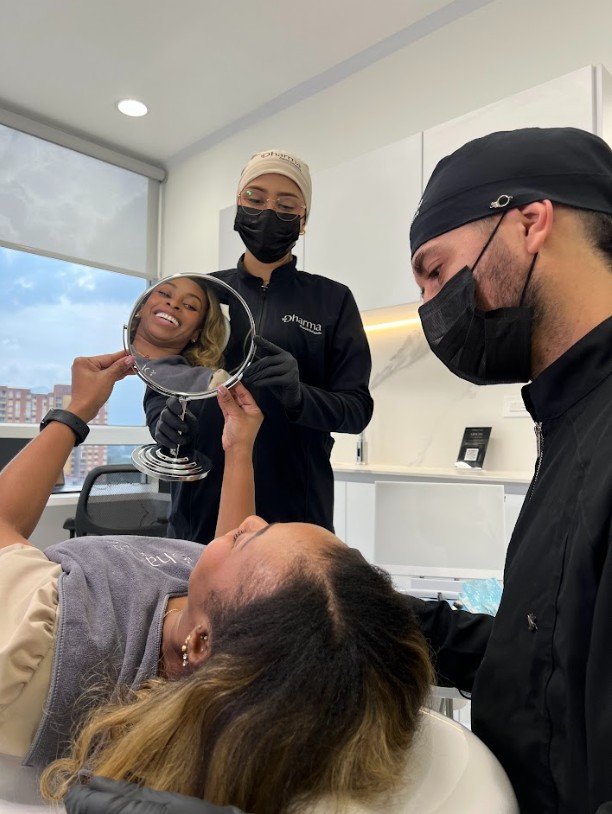
6) What should I expect during my first appointment at Be Dharma Dental?
You should expect a structured evaluation: understanding your goals, assessing oral health (gums, enamel, stability), and reviewing aesthetic priorities. The appointment should feel educational, not rushed—because good outcomes depend on clarity. You should leave knowing what’s recommended, why it’s recommended, and what the timeline and maintenance would look like.
7) How long do cosmetic dentistry results typically last?
Longevity depends on the type of treatment, the condition of your teeth and gums, and your habits. Maintenance is part of the result: oral hygiene, periodic professional care, stain prevention, and sometimes protective strategies if there is significant wear. The most durable outcomes come from conservative planning and a clinic that supports follow-up.
8) Can I plan cosmetic dentistry around a short trip to Medellín?
Often yes—but it must be planned responsibly. The right approach is to define what can be done safely within your travel window and what should not be rushed. A reliable dental clinic will provide a realistic timeline, explain whether treatment should be staged, and outline a follow-up strategy for when you’re back home.
9) What are the most common mistakes patients make when choosing a dental clinic for aesthetics?
The biggest mistakes are choosing based on price alone, skipping diagnosis, and chasing trends like extreme whiteness or uniform “template” shapes. Another common issue is not asking about maintenance and follow-up. High-quality aesthetic dental care should be individualized, conservative when possible, and supported over time—not marketed as an instant transformation for everyone.
10) Why does my smile matter in overall facial aesthetics?
Because the smile influences how the entire face reads—youthfulness, symmetry, and expression. Teeth display, proportions, and the way the smile moves can shift perceived balance immediately. That’s why I see cosmetic dentistry as a key piece of facial harmony: when it’s done with clinical discipline, it elevates the whole aesthetic without looking “done.”