
If you are considering brachioplasty in Medellín, the first step is understanding what is creating the contour you want to change: loose skin, localized fat or a combination of both.
I’m Dr. David Delgado, a plastic surgeon in Medellín. I plan each arm lift individually, evaluating skin laxity, tissue quality, localized fat, upper-arm proportions and the scar required to achieve the proposed correction.
International patients can begin with a private virtual pre-consultation before traveling to Colombia.

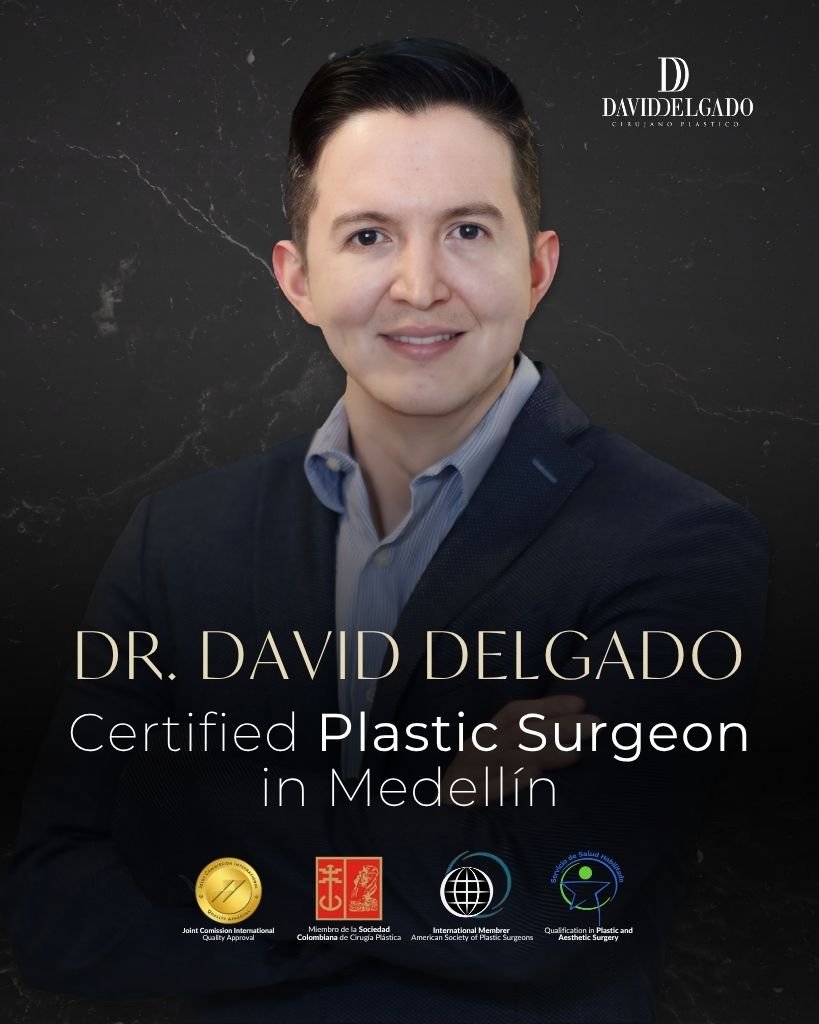
Traveling for plastic surgery means choosing more than a procedure. You should know who will perform your surgery, how the surgical plan is created and how your recovery will be followed.
I have more than 15 years of clinical practice in plastic surgery. In body contouring procedures such as brachioplasty, I evaluate the amount and location of excess skin, fat distribution and tissue quality before deciding which approach makes sense.
With an arm lift, the conversation about the scar is also essential. My goal is to explain from the beginning what improvement may be possible and what incision may be necessary to achieve it.
These real patient cases show how an arm lift can change upper-arm contour when loose skin or excess tissue is the main concern.
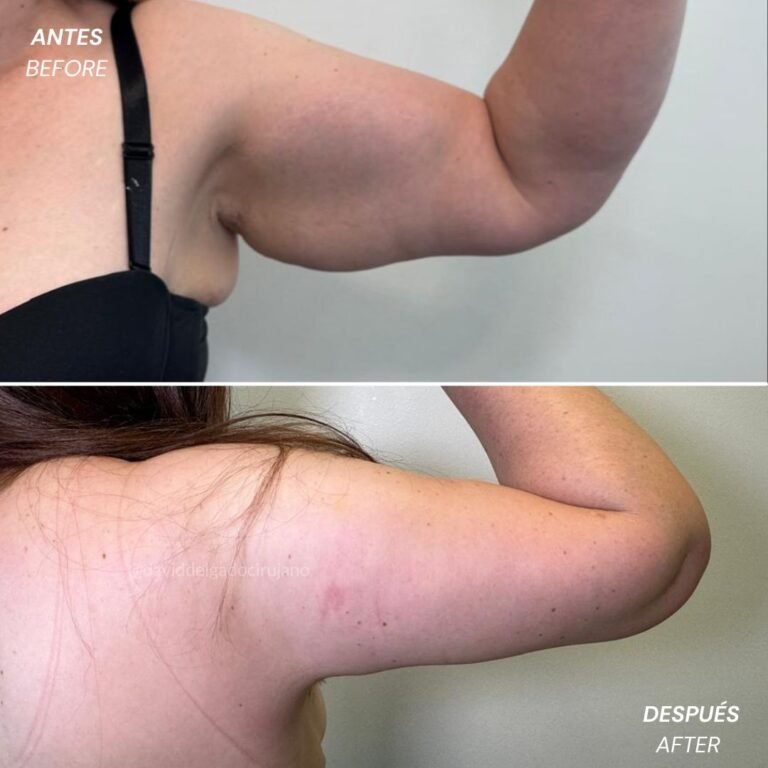
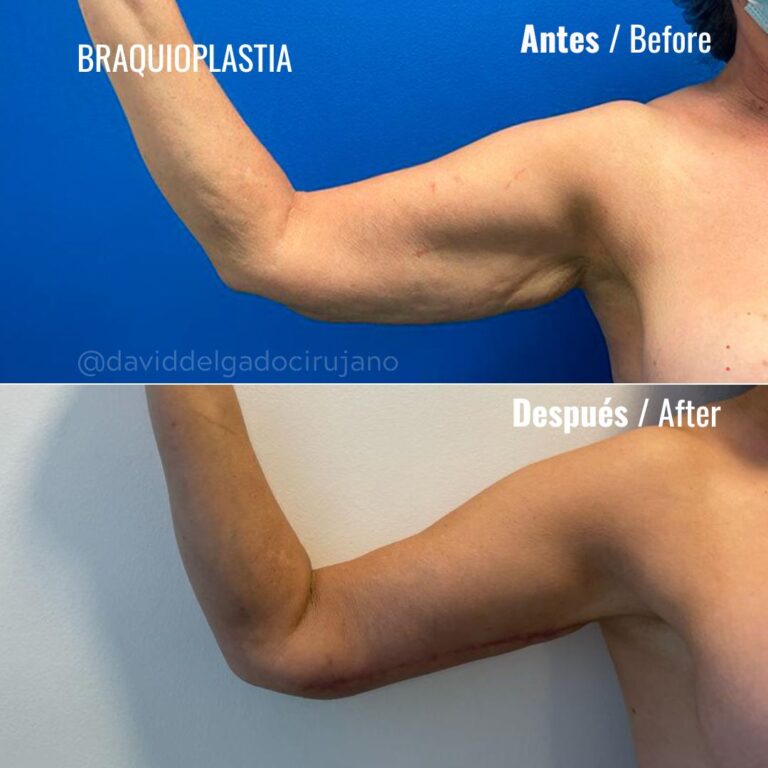
Individual results vary according to anatomy, amount of skin laxity, tissue quality, healing and postoperative care. Before-and-after photographs do not guarantee a specific outcome.
Brachioplasty, also known as an arm lift, is a surgical procedure designed to improve the contour of the upper arms by addressing excess skin, soft tissue and, when appropriate, localized fat.
It is commonly considered when the skin has become loose after significant weight loss, aging or changes in tissue elasticity. The objective is not simply to make the arm smaller, but to create a smoother and more proportionate contour.
I begin by determining whether the contour is caused mainly by excess skin, fat or both. I also evaluate where the laxity begins and ends, the quality of the skin and how the upper arm relates to the shoulder, elbow and surrounding body contour.
This evaluation determines whether you may benefit from brachioplasty, liposuction, a combination of both or another approach.
The incision is planned according to the correction required — not from a standard template.
When you are traveling for brachioplasty, your decision should go beyond price. Surgeon credentials, surgical setting, individualized planning and postoperative care all matter.
Your operation is planned within an appropriate surgical environment with anesthesia, intraoperative monitoring and postoperative observation.
Dr. David Delgado’s professional background, memberships and experience can be reviewed before you make travel arrangements.
A private virtual pre-consultation allows us to begin reviewing your goals, medical history and photographs before you travel.
Arm liposuction and brachioplasty are not interchangeable. The main question is whether the contour is caused by fat, loose skin or both.
Liposuction primarily addresses localized fat. It may be appropriate when skin quality is good enough to adapt to the reduction in volume.
When significant loose skin is present, removing fat alone may not create the desired contour and can sometimes make laxity more noticeable.
In selected patients with mild or moderate laxity, other skin-tightening approaches may also be discussed. The most appropriate option depends on an individual examination.
Candidacy depends on your anatomy, health, skin laxity, weight stability and expectations for both the contour and resulting scar.
If your main concern is localized fat and your skin has good elasticity, liposuction may sometimes be considered instead of an arm lift.
Smoking, certain medical conditions, unstable weight or expectations that do not match what the operation can reasonably achieve may also affect the surgical recommendation.
In some cases, surgery should be postponed or a different treatment strategy should be considered.
Photographs can help begin the conversation, but final candidacy and incision planning require an individual medical evaluation.
The exact technique depends on the amount and location of excess tissue. The procedure is planned around the correction required rather than using the same incision for every patient.
Before surgery, I review the plan and mark the areas where excess skin or fat will be treated.
Brachioplasty is performed under anesthesia in an appropriate surgical setting with monitoring throughout the operation.
Excess skin is removed according to the planned pattern. Liposuction may be incorporated in selected patients when localized fat also contributes to arm thickness.
The goal is to create a smoother contour while respecting the surrounding tissues and arm proportions.
The incision is carefully closed and postoperative dressings or compression garments may be used according to the surgical plan.
You receive instructions regarding wound care, movement, arm elevation and activity restrictions.
An important difference between brachioplasty and liposuction is that an arm lift requires an incision to remove loose skin. When significant laxity is present, that scar is part of the trade-off required to improve the contour.
Its length and position depend on how much tissue needs to be removed and where the laxity is located. During your consultation, we discuss the anticipated incision before you decide to proceed.
Scars mature gradually and their final appearance varies from patient to patient. No surgeon can guarantee that a scar will become invisible.
Brachioplasty is real surgery. The extent of the operation, potential combinations and recovery plan should be determined according to your health, anatomy and individual risk factors.
Before surgery, your medical history, current medications, previous procedures and relevant risk factors need to be reviewed.
Combining brachioplasty with other body-contouring procedures is considered individually rather than automatically.
Your procedure is planned within a surgical pathway that includes:
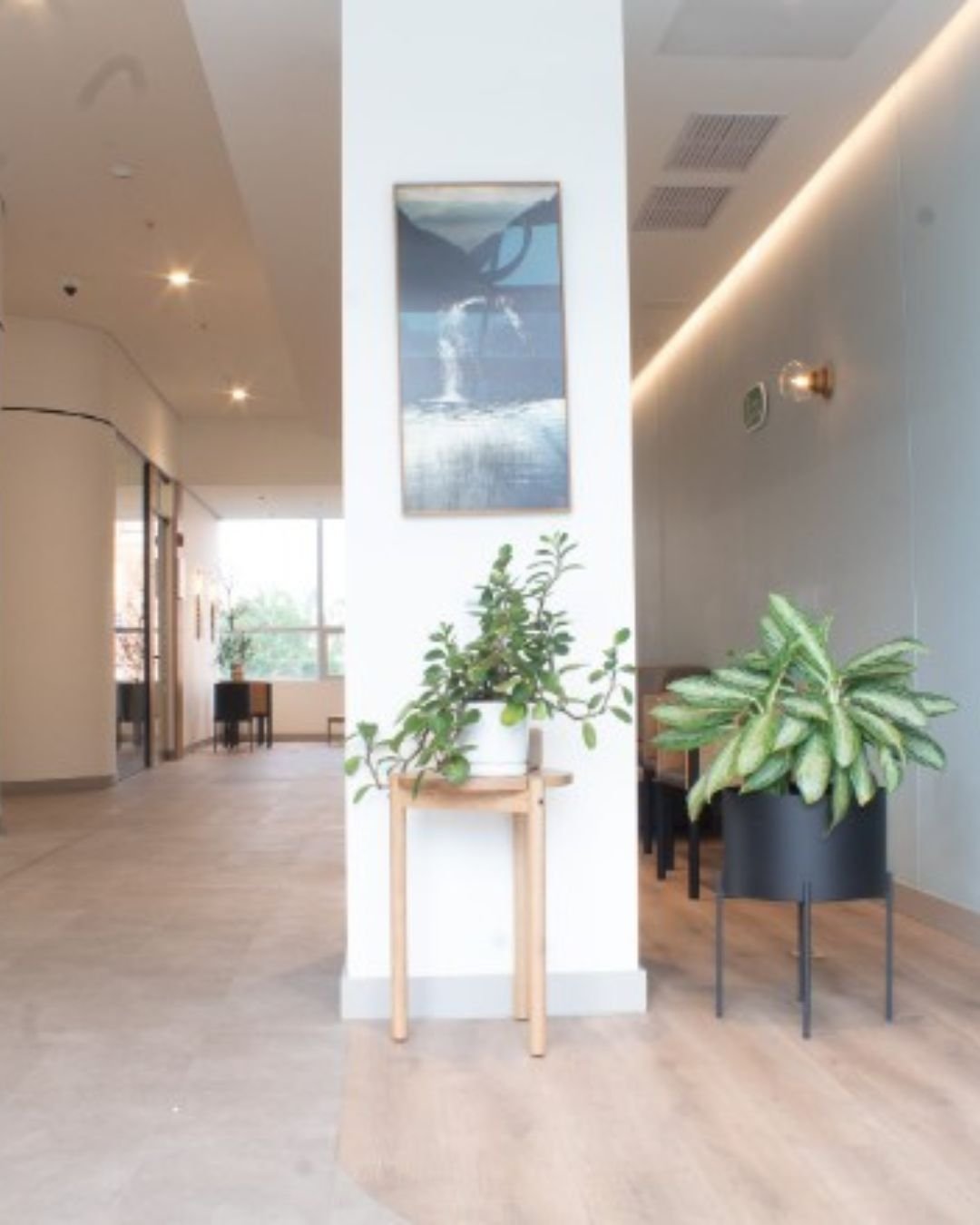
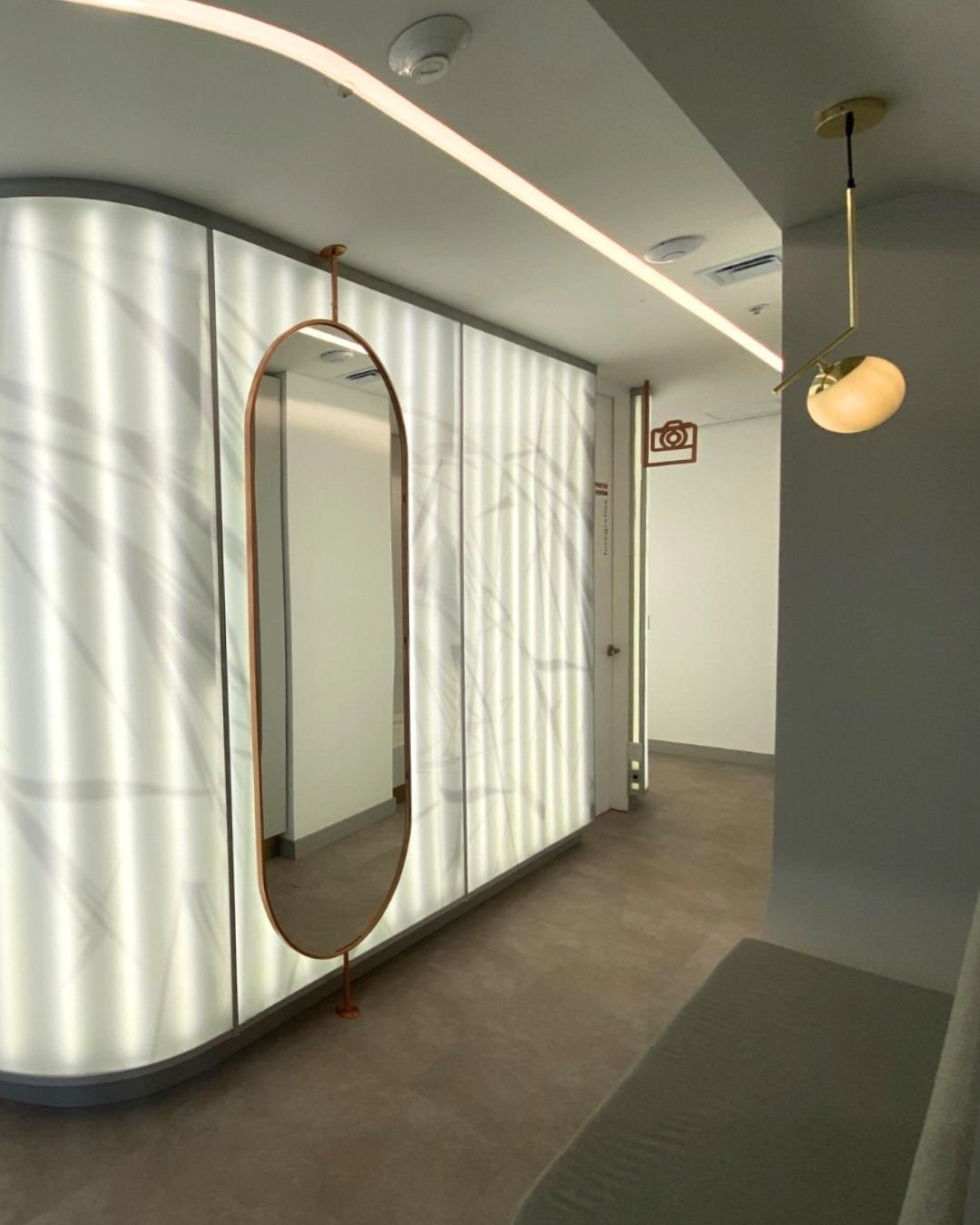
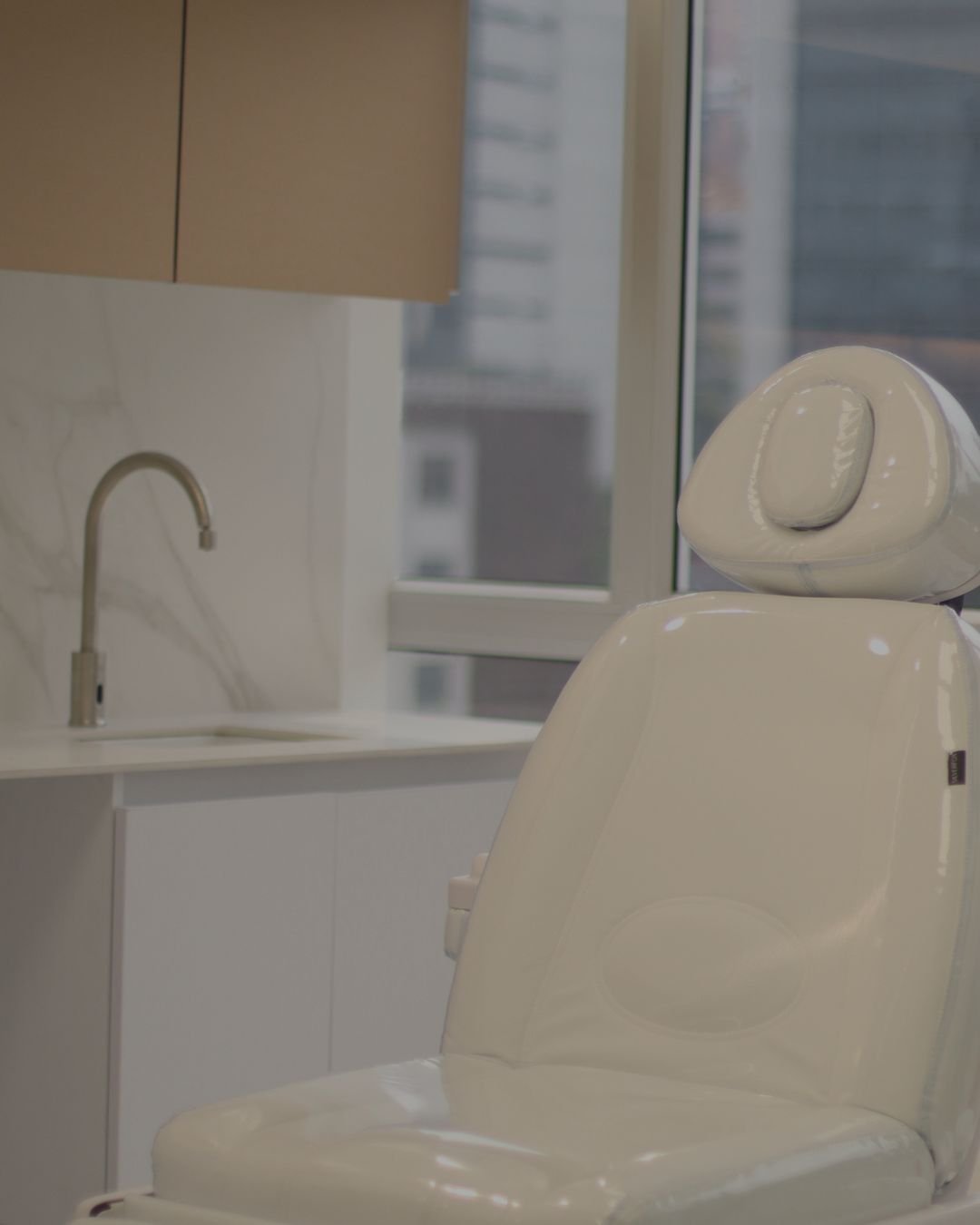
Clínica Be Dharma, located inside Torre Médica Oviedo in El Poblado, is part of your care experience in Medellín. Consultations, selected postoperative check-ups and recovery-related care can take place here in a private medical setting.
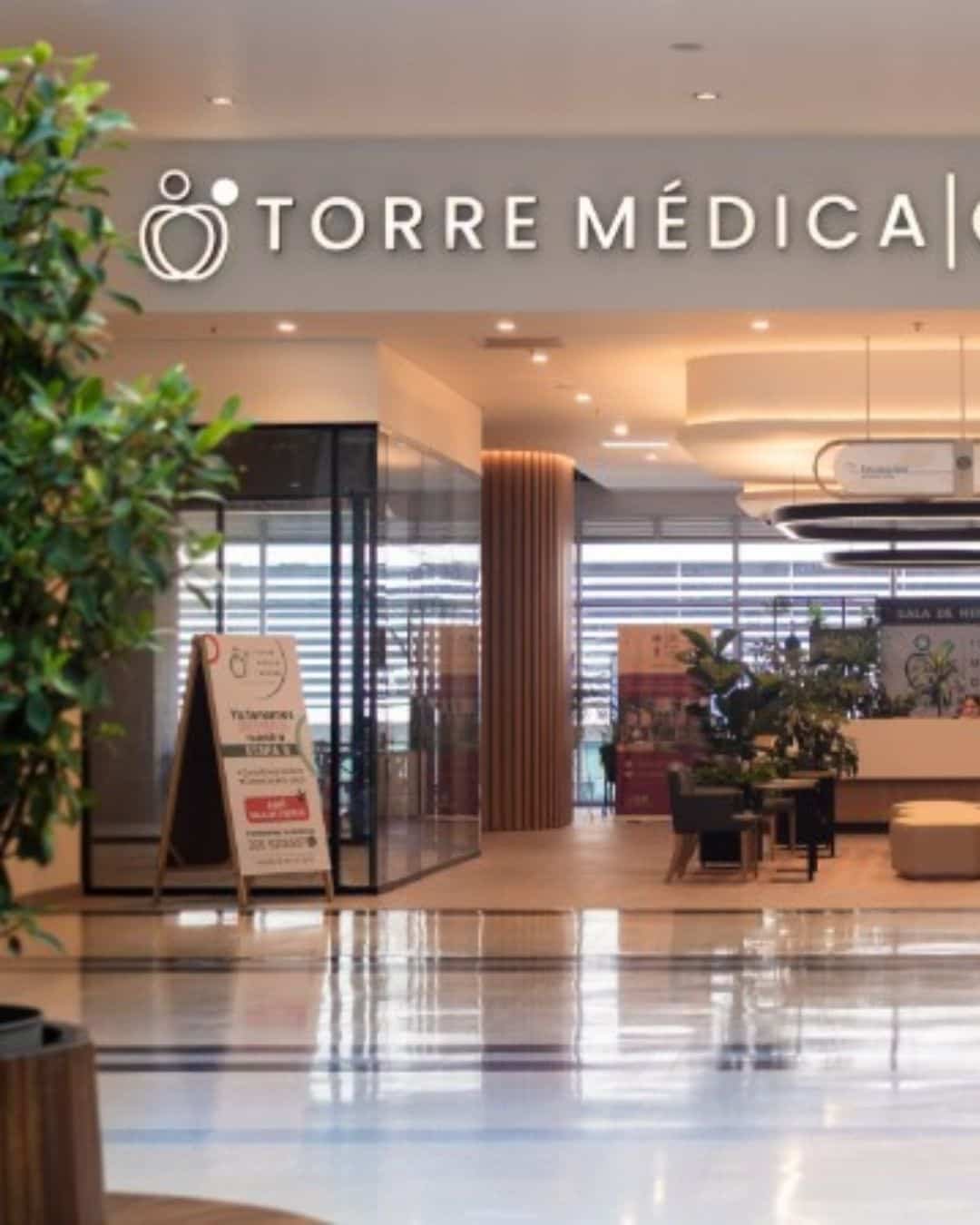 Reception
 Private Spaces
 Treatment Room
 Post-Op Care
Planning surgery abroad requires enough time for medical evaluation, surgery and early postoperative follow-up. Your trip should be organized around your care rather than the shortest possible stay.
Your process can begin with a private virtual consultation. We can review your goals, relevant medical history and photographs of the upper arms.
If brachioplasty appears potentially appropriate, we can discuss the proposed approach, recovery considerations and the next steps before you travel.
I perform an in-person examination to assess skin laxity, fat distribution, tissue quality and the potential incision.
The final surgical plan is confirmed after this evaluation and any required preoperative testing.
We review the plan again before surgery. Your procedure is performed under anesthesia with appropriate surgical monitoring.
After surgery, you remain under observation during the initial recovery period and receive instructions adapted to your procedure.
During your initial recovery, we evaluate the incisions, swelling and arm mobility and review wound-care and activity instructions.
Compression garments, arm positioning and other recommendations are individualized according to the operation performed.
Before returning home, your progress is reviewed and you receive instructions for the next stage of healing.
Your return flight should be based on the procedure performed, your recovery and your individual medical evaluation.
Recovery is progressive and varies according to the extent of skin removal, whether liposuction is included and your individual healing process.
Swelling, tightness and soreness are expected during the early recovery period.
Gentle walking is usually encouraged according to your instructions, while the arms should be protected from unnecessary strain.
Arm mobility generally progresses gradually. Reaching, lifting and repetitive movements may need to be limited while the incisions are healing.
Your instructions depend on the extent of surgery and your progress during follow-up.
The incision needs time to heal and mature. You receive instructions regarding wound care and, when appropriate, later scar-care recommendations.
Scar appearance evolves over months and varies between patients.
Exercise and heavier lifting should be resumed progressively rather than according to a fixed date.
Medical clearance is important before returning to demanding upper-body activity.
Before you leave Medellín, you receive instructions for the next stage of your recovery. Postoperative communication and follow-up can continue after you return to your country according to the needs of your case.
A well-planned brachioplasty requires more than removing skin. It requires understanding the contour you want to improve, planning the incision responsibly and coordinating your recovery.
My experience includes body contouring procedures in which skin quality, tissue distribution and proportion are essential to surgical planning.
Brachioplasty, liposuction and combined approaches solve different problems. Your technique is selected after evaluating your arms rather than before.
International patients can research my professional background, memberships and experience before deciding whether to travel to Medellín for surgery.
Your process can begin virtually before your trip and continue through your early recovery in Medellín and follow-up after returning home.
These are some of the most common questions patients ask when considering an arm lift in Medellín.
Brachioplasty, or an arm lift, is a surgical procedure used to remove and reshape excess skin and soft tissue in the upper arms. Liposuction may also be incorporated when localized fat contributes to the contour.
Liposuction primarily removes localized fat. Brachioplasty removes excess skin and reshapes loose tissue. If significant skin laxity is present, liposuction alone may not provide the correction you are looking for.
They may be combined in selected patients when both localized fat and skin excess contribute to the arm contour. Whether a combination is appropriate is determined after evaluating your anatomy and health.
Scar location and length depend on where the excess skin is located and how much tissue needs to be removed. In many cases, the incision extends along the inner portion of the upper arm. Your anticipated scar is discussed during surgical planning.
No surgical scar can be guaranteed to disappear completely. Scars generally evolve and mature over time, but their final appearance varies according to individual healing, skin characteristics and postoperative care.
Brachioplasty is frequently considered when major weight loss leaves significant loose upper-arm skin. Weight stability, general health and the extent of tissue laxity are evaluated before surgery is recommended.
The recommended stay depends on the extent of surgery, whether other procedures are performed and how your early recovery progresses. Your return flight should be planned around postoperative evaluation rather than the shortest possible trip.
Arm movement is resumed progressively. Reaching, lifting and strenuous upper-body movements may need to be restricted while the incisions heal. Your instructions are adjusted according to your recovery.
Before leaving Medellín, your progress is evaluated and you receive instructions for the next stage of healing. Postoperative communication and follow-up can continue after you return home according to your case.
The first step is a private pre-consultation. International patients can share their goals, relevant medical information and photographs so we can begin evaluating the case before travel arrangements are finalized.
Start with a private virtual consultation with Dr. David Delgado. We can review your upper-arm concerns, discuss whether brachioplasty or another approach may be appropriate and help you understand the surgical and recovery process before you travel.