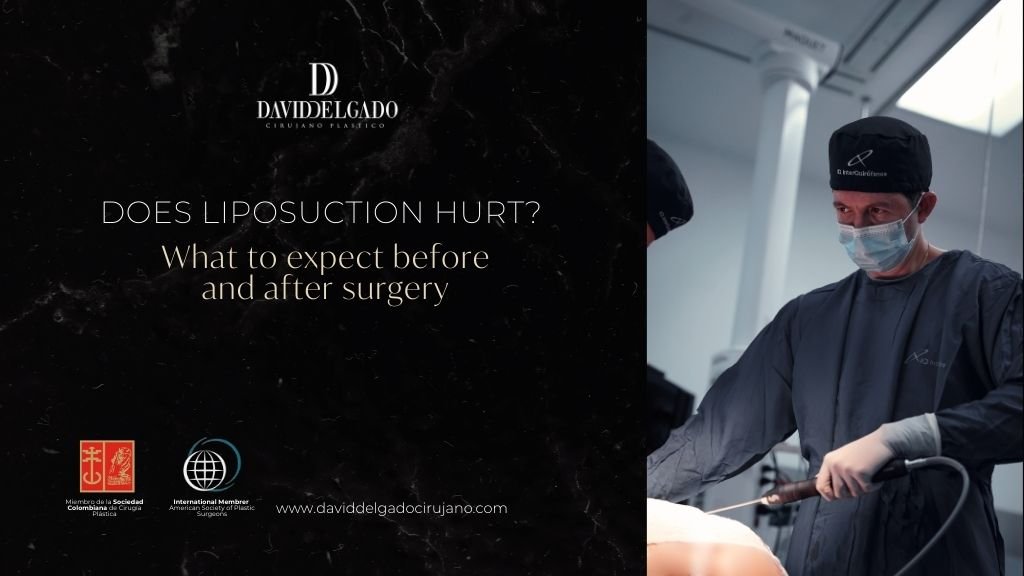
I know what you’re asking yourself: does liposuction hurt? That is exactly what I will answer here, including the different factors that can influence how the procedure and recovery feel for you. What I can tell you from the beginning is that discomfort can be reduced with proper protocols, an experienced plastic surgeon, and the right postoperative care. If you are considering liposuction in Colombia, I invite you to schedule a virtual consultation with me so I can evaluate your case personally and guide you through a safe, well-planned surgical process.
Does liposuction hurt? My medical answer as a plastic surgeon
If you are wondering does liposuction hurt, my medical answer is that you should not feel pain during surgery because the procedure is performed under anesthesia. During the operation, your comfort and safety are carefully managed so that the treatment itself is not experienced as painful. After surgery, it is normal to have some discomfort, swelling, pressure, and soreness as your body begins to heal, but these symptoms are usually manageable with the right protocols and postoperative care. Later in this article, I will explain in more detail how these sensations change throughout recovery and what I do to help reduce them.
What does liposuction pain feel like during recovery?
During recovery, liposuction discomfort is not always best described as pain alone. In most cases, patients experience a combination of soreness, swelling, tightness, and bruising, especially in the treated areas. Soreness often feels similar to the aftermath of an intense workout, while swelling can create pressure and heaviness. Tightness is also common as the tissues begin to heal, and bruising may add tenderness and sensitivity. It is important to understand that not every uncomfortable sensation means something is wrong. Many of these changes are a normal part of the healing process and do not necessarily indicate a complication.
How liposuction discomfort changes over time
The first 24 to 72 hours after surgery
This is usually the stage when discomfort feels most noticeable. You may feel pressure, soreness, drainage, fatigue, and increased sensitivity in the treated areas. At this point, the body is responding to surgery with inflammation, so it is normal to feel more limited and tender.
The first week after liposuction
During the first week, pain usually becomes more manageable, although swelling and bruising may still be quite visible. Many patients describe this stage more as soreness and stiffness than intense pain. Moving, standing up, or changing positions may still feel uncomfortable, but this tends to improve gradually.
Two to three weeks after surgery
At this stage, most patients notice a clear reduction in discomfort. Bruising often begins to fade, and daily activities usually feel easier. Some tightness, firmness, or sensitivity may still be present, but the stronger soreness of the early recovery phase is typically much less intense.
One month and beyond
As healing continues, pain is usually no longer the main issue. What may remain is mild swelling, occasional sensitivity, or firmness in certain areas as the tissues continue to settle. This is why recovery can feel like a process of gradual improvement rather than an immediate change.
Liposuction pain gradually decreases over time
In my experience, liposuction discomfort tends to improve progressively as healing advances. The first days are usually the most noticeable, but the sensation changes over time and becomes more tolerable with proper care. This gradual decrease is one of the reasons why good postoperative guidance, patience, and close follow-up are so important during recovery.
How I reduce pain after liposuction for my patients
Liposuction recovery can feel more or less uncomfortable depending on several factors, including the technology used, the surgical technique, the extent of the procedure, the areas treated, the patient’s individual healing response, and the experience of the plastic surgeon. In my practice, reducing pain is not based on one single element, but on a complete surgical and postoperative strategy designed to make the process safer, smoother, and more comfortable for each patient.
The factors that help make liposuction with me less painful include:
- Careful surgical planning before the procedure: I evaluate each case in detail so I can define the safest and most appropriate approach for your body.
- Precise surgical technique: A controlled and well-executed technique helps reduce unnecessary trauma to the tissues.
- Experience in body contouring surgery: Surgical experience plays an important role in making the procedure more efficient and predictable.
- Appropriate technology for each case: The tools and technology used during surgery can influence how tissues respond and how recovery feels afterward.
- Anesthesia protocols designed for comfort and safety: During surgery, anesthesia prevents pain, and proper planning helps support a smoother immediate recovery.
- Gentle tissue handling: The more carefully the tissues are treated, the better the body can tolerate the healing process.
- Personalized postoperative medication: Pain control after surgery is supported with the right medications according to each patient’s needs.
- Compression garments used correctly: Proper compression helps reduce swelling, support healing, and improve comfort.
- Close postoperative follow-up: Monitoring recovery allows me to guide each patient appropriately and address discomfort early.
- Clear recovery instructions: Knowing how to rest, move, sleep, and care for the treated areas can make a significant difference in how recovery feels.
For me, pain control is part of good surgical care. My goal is not only to achieve a better body contour, but also to make your recovery as controlled and comfortable as possible.
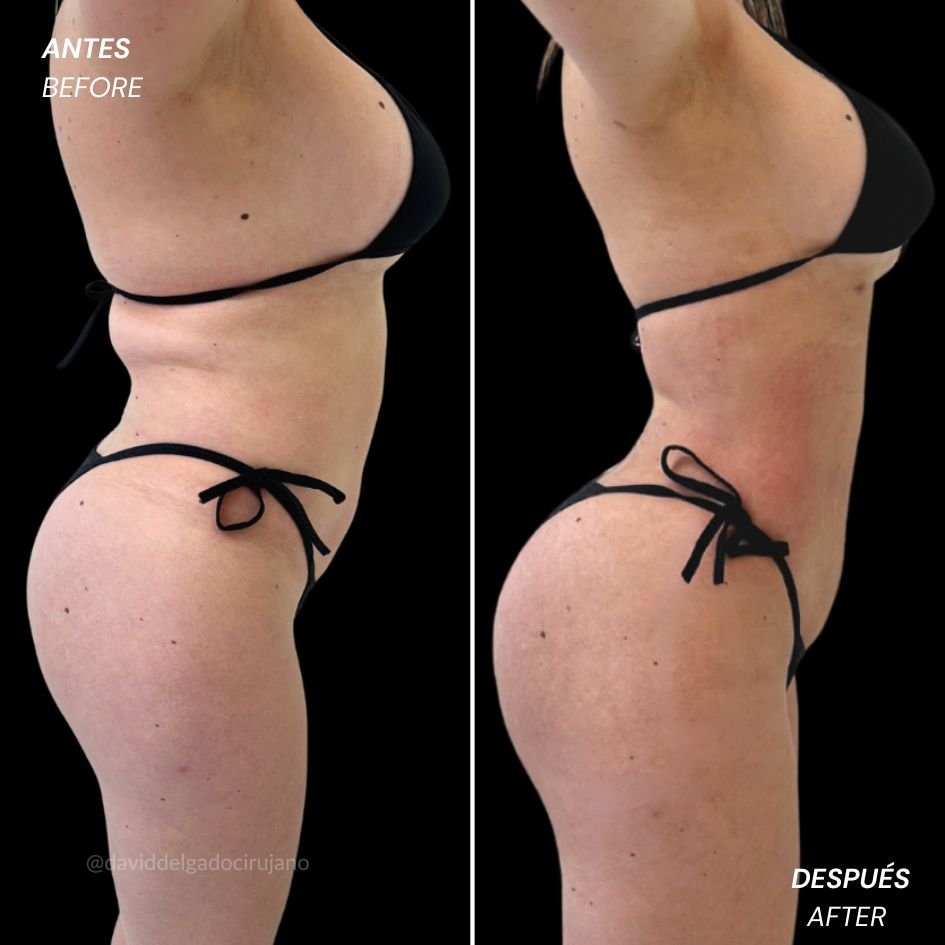
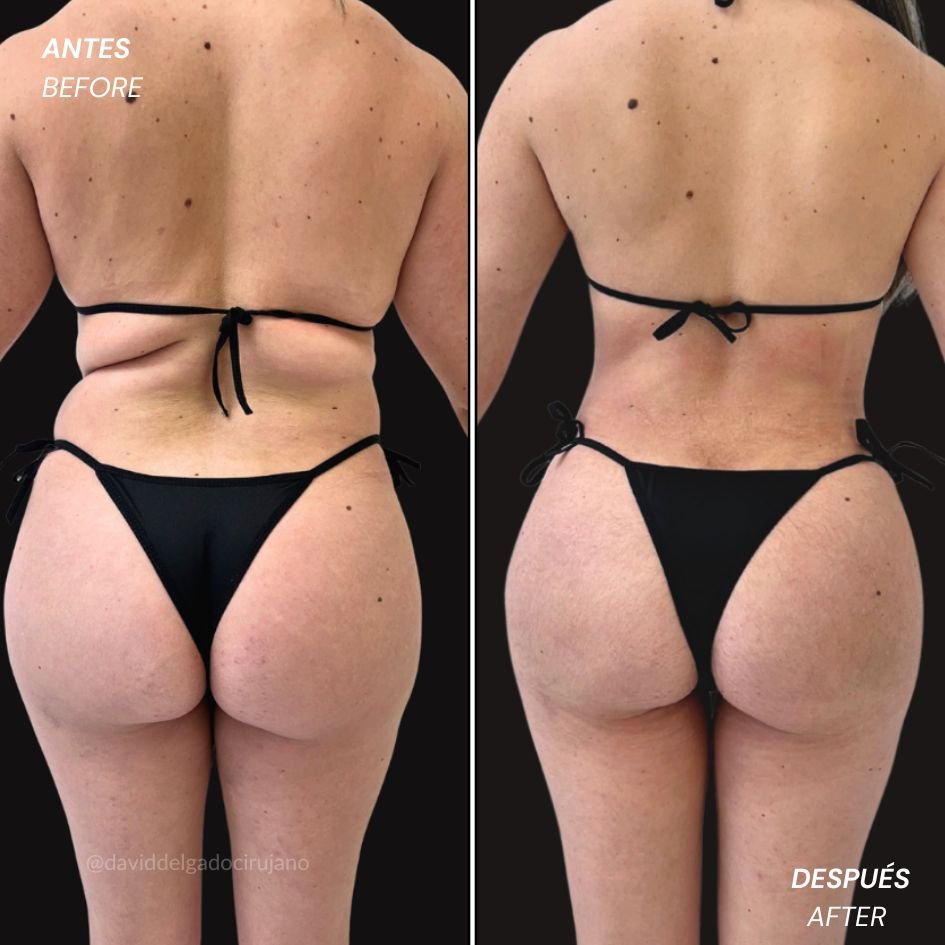
What is a pain pump after liposuction and how does it help?
A pain pump is a postoperative tool that I may use in selected liposuction cases, especially for patients who require it or specifically request additional support for early recovery comfort. It is designed to help manage pain during the first stage after surgery, when discomfort is usually more noticeable. This device works by delivering pain-relief medication directly to the treated area, allowing for more targeted control of postoperative discomfort. Its purpose is to make recovery more comfortable, improve mobility in the first days, and support a smoother healing experience.
How a pain pump helps control discomfort after liposuction?
A pain pump delivers local anesthetic continuously to the surgical area after liposuction. By maintaining a steady effect in the tissues, it can help reduce the initial discomfort that many patients feel during the first days of recovery. In some cases, it may also reduce the need for stronger oral pain medications, which can make the postoperative period easier to tolerate. As part of a broader pain-management strategy, it can be a very useful option for improving comfort in properly selected patients.
Does liposuction hurt less with the right plastic surgeon?
Yes, the way liposuction feels during recovery can be influenced by the surgeon you choose. Pain is not only related to the procedure itself, but also to surgical judgment, safety protocols, planning, technique, and postoperative control. A well-planned surgery with precise execution can help reduce unnecessary trauma to the tissues and make recovery more manageable. That is why choosing a plastic surgeon with solid experience in body contouring matters.
In my case, I have more than 15 years of experience as a plastic surgeon, and I rely on the appropriate techniques, technology, and equipment to help make liposuction recovery as controlled as possible. My goal is not to promise that discomfort will never be part of the process, because some degree of postoperative pain is normal after surgery. What I do offer is an experienced, medically guided approach focused on safety, precision, and the right measures to reduce pain as much as possible throughout your recovery.
Liposuction in Medellín with Dr. David Delgado: safe surgery and guided recovery
If pain is one of the reasons you have postponed surgery, I want you to know that it is normal to have questions and to want clear, honest answers before making a decision. As Dr. David Delgado, I approach every liposuction procedure in Medellín with careful planning, patient safety, and close follow-up in mind, because feeling supported also makes a difference in how recovery is experienced. My priority is not only to improve your body contour, but also to help you go through the process with confidence, realistic expectations, and the reassurance that you are being properly guided at every stage.
Schedule a personalized liposuction consultation in Medellín
I invite you to schedule a personalized liposuction consultation with me in Medellín, or by video call if you are not currently in the city. During this evaluation, I can assess your case, explain what to expect, and design a treatment plan focused on a safe, controlled, and well-supported surgical experience.
Frequently asked questions about liposuction pain
¿Does liposuction hurt?
Liposuction should not hurt during surgery because anesthesia is used to keep you comfortable throughout the procedure. After surgery, it is normal to feel soreness, swelling, pressure, and tenderness, but these symptoms are usually manageable with proper postoperative care.
¿How painful is liposuction recovery?
Liposuction recovery is usually described more as soreness and tightness than intense pain. The first few days tend to feel the most uncomfortable, and then symptoms gradually improve as swelling decreases and healing progresses.
¿Does liposuction hurt more after surgery than during surgery?
Yes. During surgery, anesthesia prevents pain, so you should not feel the procedure itself. The discomfort is more noticeable after surgery, especially in the first days of recovery, when the body is healing.
¿What does liposuction pain feel like?
Most patients describe liposuction pain as soreness, pressure, tightness, bruising, and tenderness in the treated areas. It often feels similar to muscle soreness after intense exercise rather than sharp or constant pain.
¿How long does pain after liposuction last?
Pain after liposuction is usually most noticeable during the first 24 to 72 hours and tends to improve over the first week. Mild soreness, sensitivity, or firmness may last longer, depending on the area treated and the individual healing process.
¿Is liposuction recovery worse than patients expect?
For many patients, recovery feels different from what they imagined because it involves more swelling, tightness, and bruising than severe pain. When patients are properly informed before surgery, the process often feels more predictable and easier to manage.
¿Does liposuction hurt less with an experienced plastic surgeon?
The recovery experience can be influenced by the surgeon’s planning, technique, and postoperative protocols. An experienced plastic surgeon can help reduce unnecessary tissue trauma and create a safer, more controlled recovery process, although some discomfort is still a normal part of healing.
¿Can liposuction pain be reduced?
Yes. Pain after liposuction can often be reduced with the right surgical planning, careful technique, appropriate technology, postoperative medications, compression garments, and close follow-up. In selected cases, additional tools such as a pain pump may also help.
¿What is a pain pump after liposuction?
A pain pump is a postoperative device that continuously delivers local anesthetic to the treated area. It is used in selected cases to help reduce discomfort during the first days after surgery and may decrease the need for stronger pain medications.
¿Is swelling the same as pain after liposuction?
No. Swelling and pain are different, although they can happen at the same time. Swelling creates pressure and heaviness, while pain usually refers to soreness, tenderness, or discomfort in the treated tissues.
¿When should pain after liposuction become a concern?
Some discomfort is normal after liposuction, but pain should be evaluated if it suddenly becomes much stronger, does not improve, or is accompanied by symptoms such as fever, unusual redness, or other warning signs. That is why close postoperative follow-up is so important.
¿Does liposuction hurt in all treated areas the same way?
Not always. The level of discomfort may vary depending on the area treated, the amount of fat removed, the extent of the procedure, and each patient’s healing response. Some areas may feel more tender or tight than others during recovery.