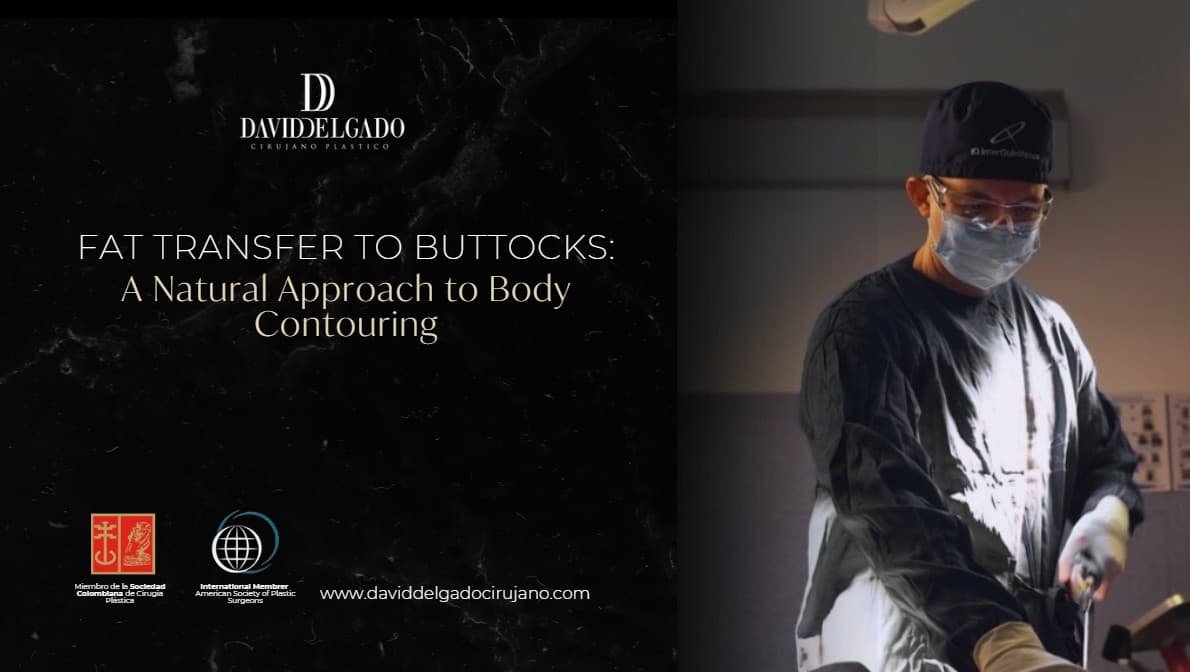
If you are looking for a way to enhance your figure with results that look balanced, feminine, and natural, fat transfer to buttocks has become one of the most requested body contouring procedures for a reason. In 2026, more patients are seeking a natural bbl that improves projection and shape without relying on implants, while also refining areas such as the abdomen, flanks, or back through liposuction. As a plastic surgeon, I have seen how this procedure can create beautiful, harmonious changes when it is planned carefully, performed with precision, and tailored to the patient’s anatomy.
In this guide, I want to explain what patients should truly understand before considering surgery in Colombia, especially when they are interested in a personalized and safety-focused approach. I am Dr. David Delgado, a plastic surgeon in Medellín, and my philosophy is centered on natural-looking results, detailed evaluation, and surgical decisions based on proportion, technique, and patient safety.
What Is Fat Transfer to Buttocks?
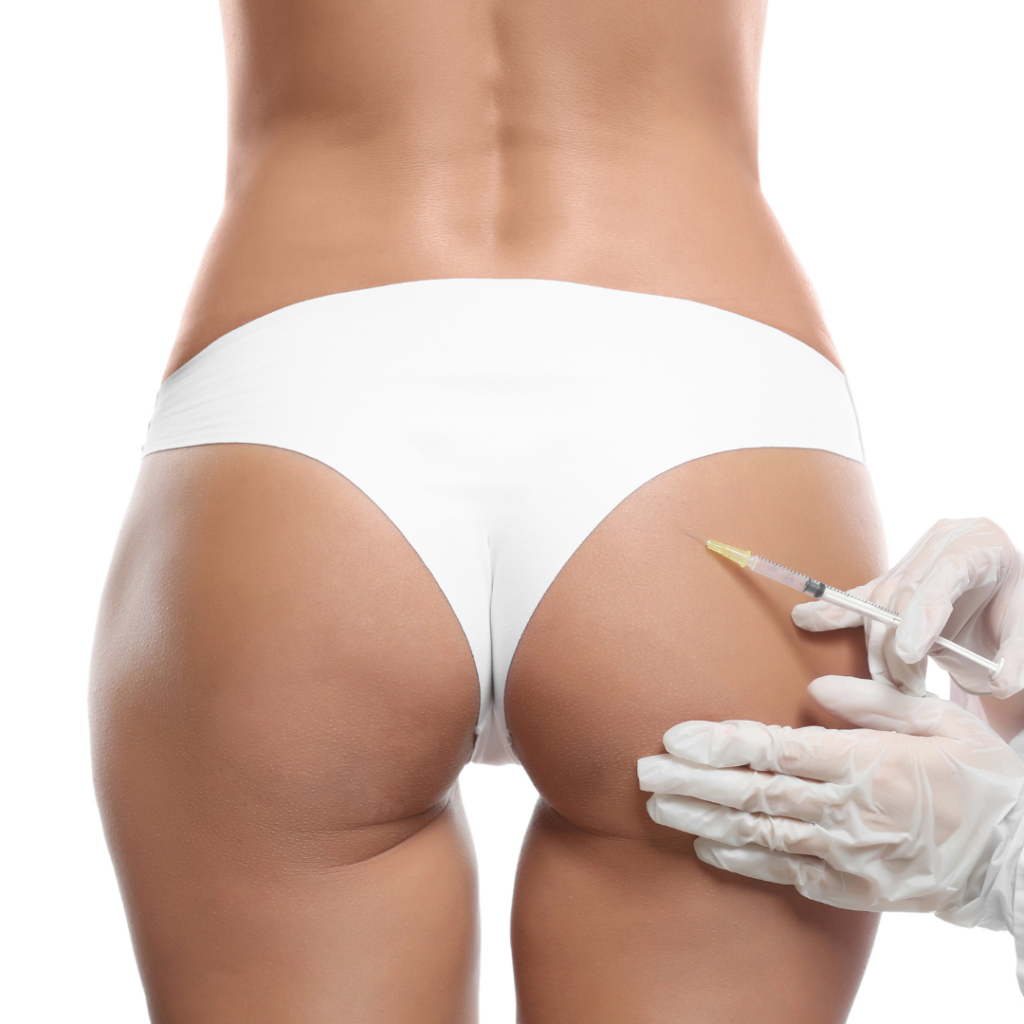
Fat transfer to buttocks is a body contouring procedure in which I remove fat from areas of the body where it is unwanted, process that fat carefully, and then inject it into the buttocks to improve shape, volume, and projection. In other words, it is not only about making the buttocks fuller, but also about creating better balance throughout the body. This is why the procedure is often attractive to patients who want enhancement that looks more natural and more proportional to their figure.
From a surgical perspective, this technique combines liposuction and fat grafting in one procedure. First, I identify areas with enough donor fat, such as the abdomen, flanks, lower back, or thighs. Then, I remove that fat with a controlled liposuction technique, purify it, and strategically place it into the buttocks to shape the area with precision.
How Fat Transfer to Buttocks Works
Although patients often focus on the result, the process itself determines the quality of the outcome. For that reason, I always explain each stage clearly before surgery, so patients understand how fat transfer to buttocks is performed and why technique matters so much.
Liposuction from donor areas
The first step is removing fat from selected areas of the body. In most cases, these donor areas include the abdomen, waist, flanks, back, or thighs. This part of the procedure is important not only because it provides the fat needed for transfer, but also because it helps contour the body and improve the silhouette around the buttocks.
Fat purification
Once the fat is harvested, it is not injected immediately. It must first go through a purification process so I can separate viable fat cells from other fluids and materials. This step is essential because the quality of the fat influences how well it integrates after transfer.
Reinjection into the buttocks
After purification, I inject the fat into carefully selected areas of the buttocks. This is done strategically, not randomly. The goal is to improve projection, roundness, and symmetry while maintaining a result that looks elegant and natural.
Sculpting for balance and contour
Finally, the procedure is about shaping, not simply adding volume. I use the transferred fat to enhance contours in a way that fits the patient’s anatomy. In my practice, the objective is always to create harmony between the waist, hips, lower back, and buttocks rather than an exaggerated result that looks artificial.
Why Patients Choose a Natural BBL
Many patients are drawn to a natural bbl because it uses their own fat instead of implants. As a result, the enhancement can feel softer and more integrated with the rest of the body. For patients who want improvement without the look or feel of a prosthetic implant, this is often one of the biggest advantages.
At the same time, natural bbl offers more than buttock enhancement alone. Because fat is removed from other areas during liposuction, the body can be sculpted in a more comprehensive way. This combination often improves the waist-to-hip transition and creates a more defined silhouette overall. In my experience, this is one of the main reasons why patients see fat transfer to buttocks as both a shaping procedure and a volume-enhancing procedure.
Is Fat Transfer to Buttocks the Same as a Brazilian Butt Lift Without Implants?
In many cases, yes. The terms are closely related, and patients often use them to describe the same idea. A brazilian butt lift without implants generally refers to buttock enhancement performed with the patient’s own fat rather than with silicone implants. That means the procedure relies on liposuction, fat processing, and fat reinjection to improve contour and projection.
However, I believe it is important to explain the term clearly during consultation, because not every patient understands what it involves. When I talk to patients about a brazilian butt lift without implants, I make sure they understand that the result depends on factors such as available donor fat, skin quality, body proportions, and realistic surgical planning. In other words, the procedure is not just about adding size. It is about using fat intelligently to create shape, proportion, and a result that looks natural on that specific patient.
Fat Transfer vs Traditional BBL: Key Differences
Many patients use the term “BBL” very broadly. However, not every buttock enhancement procedure is the same. In practice, the technique, the amount of volume, and the result can vary depending on the patient’s anatomy, the surgeon’s approach, and the aesthetic goal.
When I explain fat transfer to buttocks, I always clarify that the most important factor is not the label, but the plan behind the surgery. A well-executed procedure should respect proportion, body balance, and safety rather than follow a trend or an exaggerated standard.
Understanding the Term Traditional BBL
The term “traditional BBL” is often used online to describe almost any buttock enhancement with fat. Still, patients may be referring to very different results when they use that phrase. Some imagine a dramatic transformation, while others are looking for a softer and more refined outcome.
For that reason, I prefer to focus on what the patient truly wants to achieve. In my practice, I design each procedure according to body proportions, available donor fat, and realistic goals. Two patients may ask for the same surgery yet require very different plans to reach a balanced result.
Fat Transfer to Buttocks vs Butt Implants
The main difference between fat transfer to buttocks and butt implants is the material used to create volume. With fat transfer, I use the patient’s own fat. With implants, I use a prosthetic device placed surgically in the buttock area.
Here are the key differences patients should understand:
- Own fat vs implants: fat transfer uses natural tissue, while implants use silicone devices.
- Natural feel and look: fat usually creates a softer and more natural appearance.
- Need for donor fat: fat transfer requires enough excess fat in areas such as the abdomen, flanks, back, or thighs.
- Recovery considerations: both involve recovery, but the postoperative care is different.
- Different indications: some very lean patients may not be ideal for fat transfer alone.
In many cases, patients prefer fat transfer because it enhances the buttocks while also improving the contour of the waist and torso. Still, the best option depends on anatomy, expectations, and what can be done safely.
Why Many Patients Prefer Buttock Augmentation Fat Transfer
One of the main reasons patients choose buttock augmentation fat transfer is that it can improve the entire silhouette, not just the buttocks. By removing fat from selected areas and transferring it strategically, I can create more contrast between the waist and hips, which often makes the result look more elegant.
Patients also tend to appreciate that the enhancement can feel more natural because it uses their own tissue. For someone who wants shape and projection without implants, this approach is often the most attractive option when the anatomy is suitable.
Am I a Good Candidate for Fat Grafting to Buttocks?
Not every patient who wants more projection is automatically a good candidate for fat grafting buttocks. The procedure depends on several factors, including body fat availability, general health, skin quality, and the type of result the patient wants.
That is why candidacy should always be evaluated carefully. In my practice, I do not base the decision only on desire or inspiration photos. I base it on what can be achieved safely, proportionally, and realistically.
Who Is Usually a Good Candidate for Fat Grafting Buttocks?
In general, a good candidate is someone who wants natural-looking enhancement and has enough fat to transfer. These patients are often looking for better contour, improved projection, and more harmony between the waist and buttocks.
Typical candidates often include:
- Patients seeking moderate to noticeable enhancement
- Individuals with enough donor fat
- Patients in good general health
- People with stable weight
- Those looking for natural-looking improvement
When these factors are present, fat grafting buttocks can be an excellent option for creating a more sculpted and balanced silhouette.
When Fat Transfer to Buttocks May Not Be the Best Option
There are cases in which fat transfer to buttocks may not be the best choice. For example, a very thin patient may not have enough donor fat to achieve a meaningful result. In that situation, it is important to be honest and discuss limitations clearly.
Other factors may also affect candidacy, such as:
- Very low body fat
- Uncontrolled medical conditions
- Smoking habits that interfere with healing
- Unrealistic expectations
A responsible procedure starts with proper patient selection. If the anatomy or health conditions do not support the surgery, that must be addressed before moving forward.
Why Candidacy Must Be Evaluated by an Expert Plastic Surgeon?
Before recommending fat grafting buttocks, I evaluate the body as a whole. That includes body proportions, fat distribution, skin quality, overall health, and the patient’s specific goals. This step is essential because the best results come from good judgment before surgery, not only from technique during surgery.
As Dr. David Delgado, I take a personal approach to every evaluation. My goal is to determine whether the procedure is truly appropriate and, if so, how to perform it in a way that looks natural and respects safety from the beginning.
The Fat Transfer Procedure: Step-by-Step
Although patients often describe this surgery in simple terms, a successful fat transfer to buttocks requires much more than moving fat from one area to another. Every stage must be planned carefully so that the result looks balanced, and the procedure is performed responsibly.
I always explain the process clearly because informed patients make better decisions. Understanding each step also helps patients know why experience, precision, and surgical planning matter so much.
Consultation and Surgical Planning
The process begins with a detailed consultation. During this stage, I review the patient’s medical history, discuss aesthetic goals, assess body proportions, and identify both donor areas and recipient areas. This planning stage is fundamental. It allows me to decide how much fat can be harvested, what shape is realistic, and how to create a result that fits the patient’s anatomy rather than forcing an artificial look.
Liposuction to Harvest Fat
Once the plan is defined, I harvest fat through liposuction. Common donor areas include the abdomen, flanks, back, or thighs, depending on where the patient has enough excess fat. This part of the procedure does more than provide fat for transfer. It also improves contour in the surrounding areas, which is one of the reasons fat transfers to buttocks can create a more complete body-shaping effect.
Fat Purification and Preparation
After the fat is removed, it must be processed carefully. Not all harvested material is ready to be transferred immediately, so purification is necessary to separate and prepare the best-quality fat cells. This stage is important because fat quality influences how the graft behaves after surgery. Although patients do not see this step, it plays a major role in achieving a cleaner and more precise transfer.
Strategic Fat Injection into the Buttocks
Once the fat is ready, I inject it into carefully selected areas of the buttocks. This is done strategically to improve shape, projection, symmetry, and contour rather than simply adding volume everywhere.
Depending on the patient, the focus may be on upper fullness, lateral contour, or more projection in specific zones. That is why this part of the surgery requires artistic judgment as well as technical precision.
The Importance of Technique in Brazilian Butt Lift Without Implants
A successful Brazilian butt lift without implants depends on much more than the concept itself. It requires surgical judgment, precise execution, and strict respect for safety standards throughout the procedure.
In my approach, technique is what transforms a body contouring procedure into a natural and elegant result. The objective is not only to enhance the buttocks, but to do it with control, proportion, and a clear medical standard behind every decision.
Recovery Timeline & What to Expect
Recovery is one of the most important parts of fat transfer to buttocks, and it is also one of the topics patients ask me about most often. While the surgery itself is essential, the healing phase plays a major role in how the transferred fat settles and how the final contour develops over time.
For that reason, I always explain recovery in realistic terms. Patients should expect a period of swelling, temporary discomfort, and activity modifications. However, with proper guidance and careful follow-up, recovery becomes a structured process rather than something uncertain or overwhelming.
The First Days After Fat Transfer to Buttocks
During the first days after fat transfer to buttocks, it is normal to experience swelling, bruising, soreness, and a feeling of tightness in the treated areas. This includes both the liposuction zones and the buttocks. Because the body is healing in more than one area at the same time, patients should expect some temporary discomfort during this early stage.
In addition, movement and positioning need to be more controlled during the first part of recovery. I usually explain to patients that the early phase is not about complete inactivity, but about moving carefully, following instructions closely, and allowing the tissues to recover in the right way.
Sitting, Sleeping, and Protecting the Transferred Fat
One of the most important instructions after surgery is to avoid direct pressure on the buttocks during the initial healing phase. This matters because the transferred fat needs time to establish itself in the treated area, and excessive pressure too early can interfere with that process.
For this reason, patients are usually guided on how to sit, sleep, and rest more carefully in the first stage of recovery. Positioning recommendations may vary depending on the case, but in general, protecting the grafted area is an important part of preserving the quality of the result.
Returning to Work and Daily Activities
Recovery after fat transfer to buttocks is different for every patient. Some people feel ready to resume light activities sooner, while others need more time depending on the extent of liposuction, their physical condition, and how their body responds during healing.
In most cases, patients gradually return to daily activities according to medical guidance. The key is not to rush the process. A progressive recovery is usually more favorable than trying to return to normal routines too quickly before the body is ready.
Why Recovery Is Essential for Buttock Augmentation Fat Transfer Results
A successful buttock augmentation fat transfer does not depend only on what happens in the operating room. It also depends on what the patient does afterward. Proper aftercare can influence how well the transferred fat survives, how swelling resolves, and how the final shape becomes visible over time.
That is why I emphasize recovery as part of the treatment, not as a separate phase. Following instructions carefully, respecting activity limits, and attending follow-up appointments are all essential for protecting the result and allowing the body to heal in the best possible way.
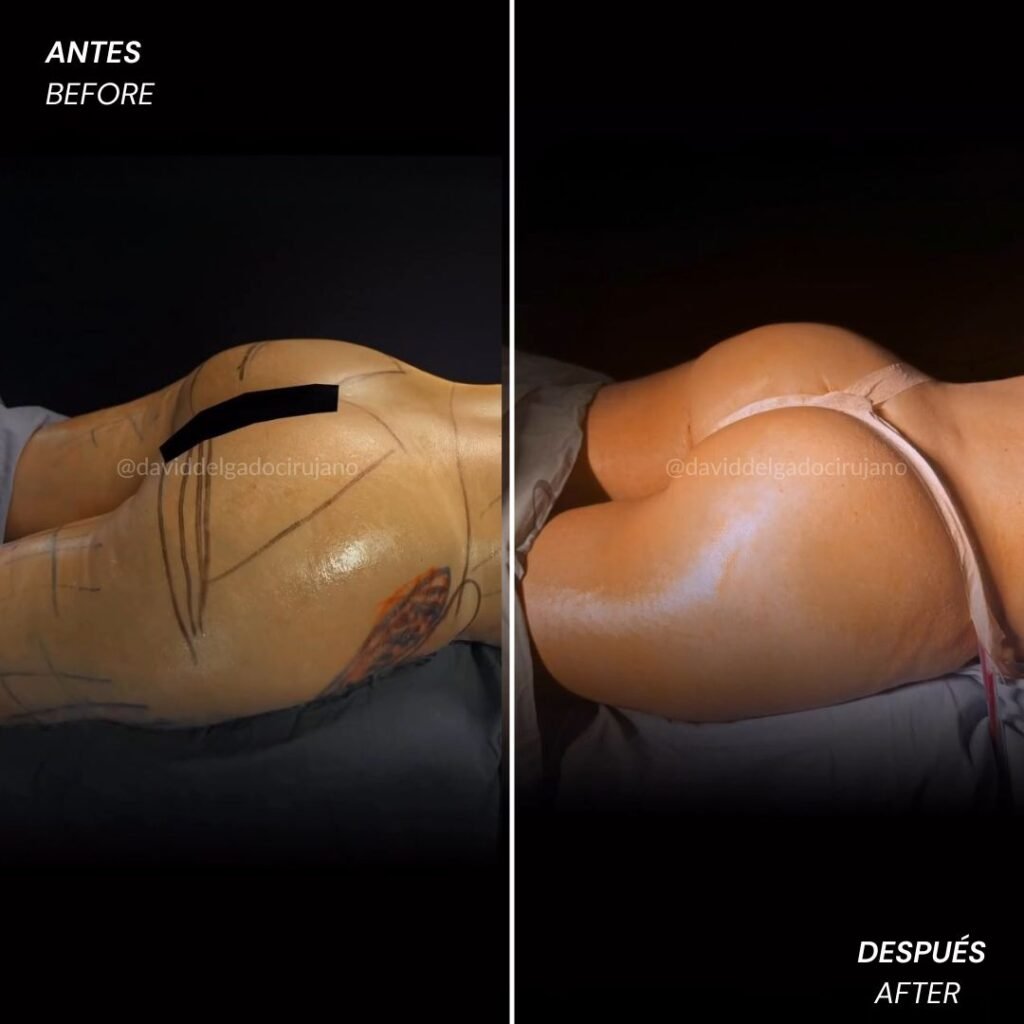
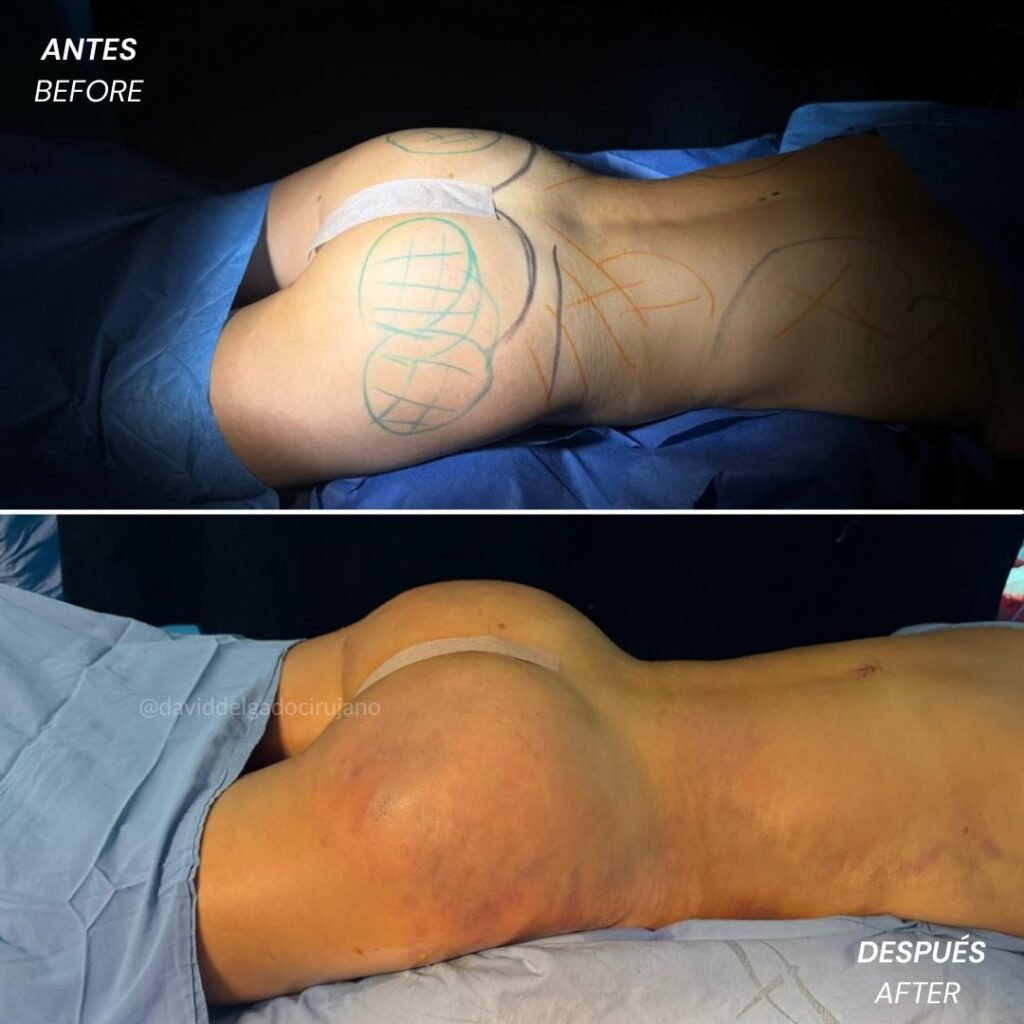
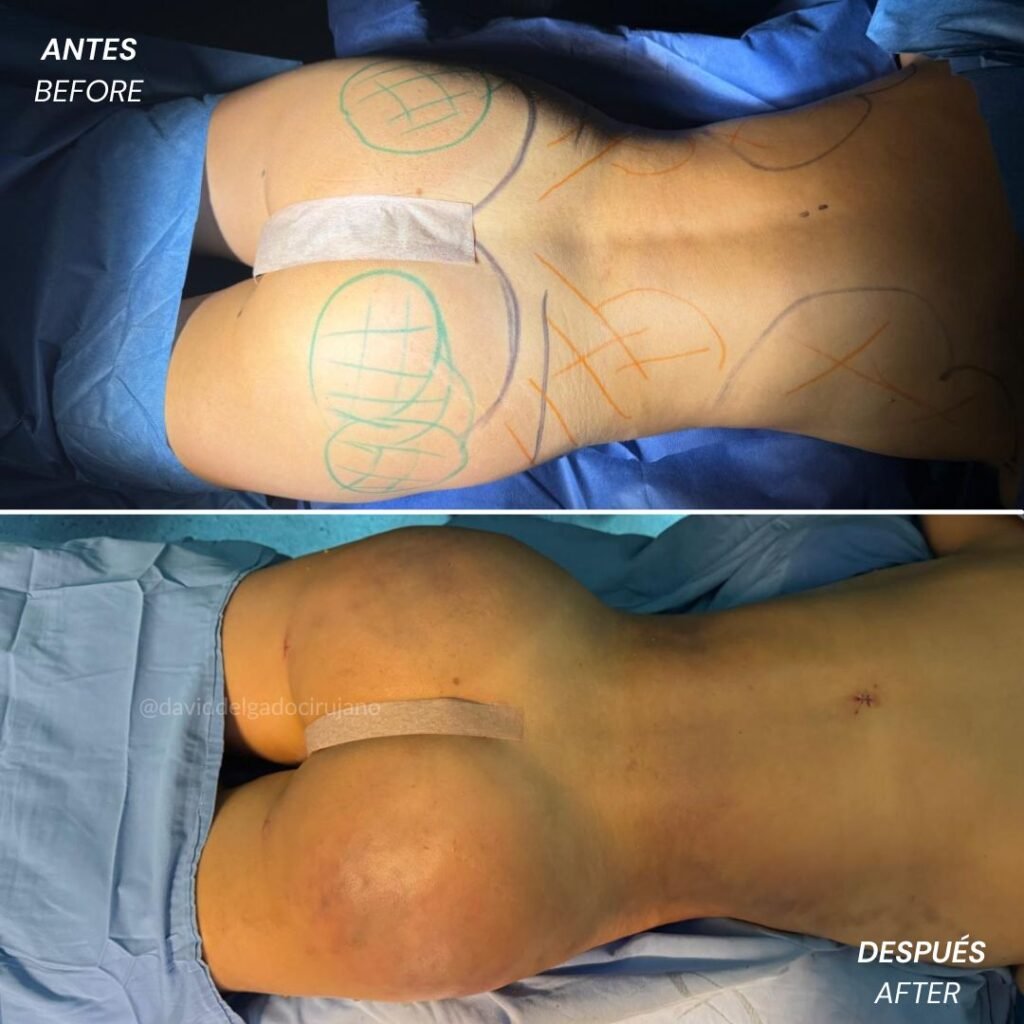
Fat transfer to buttocks: Before and after
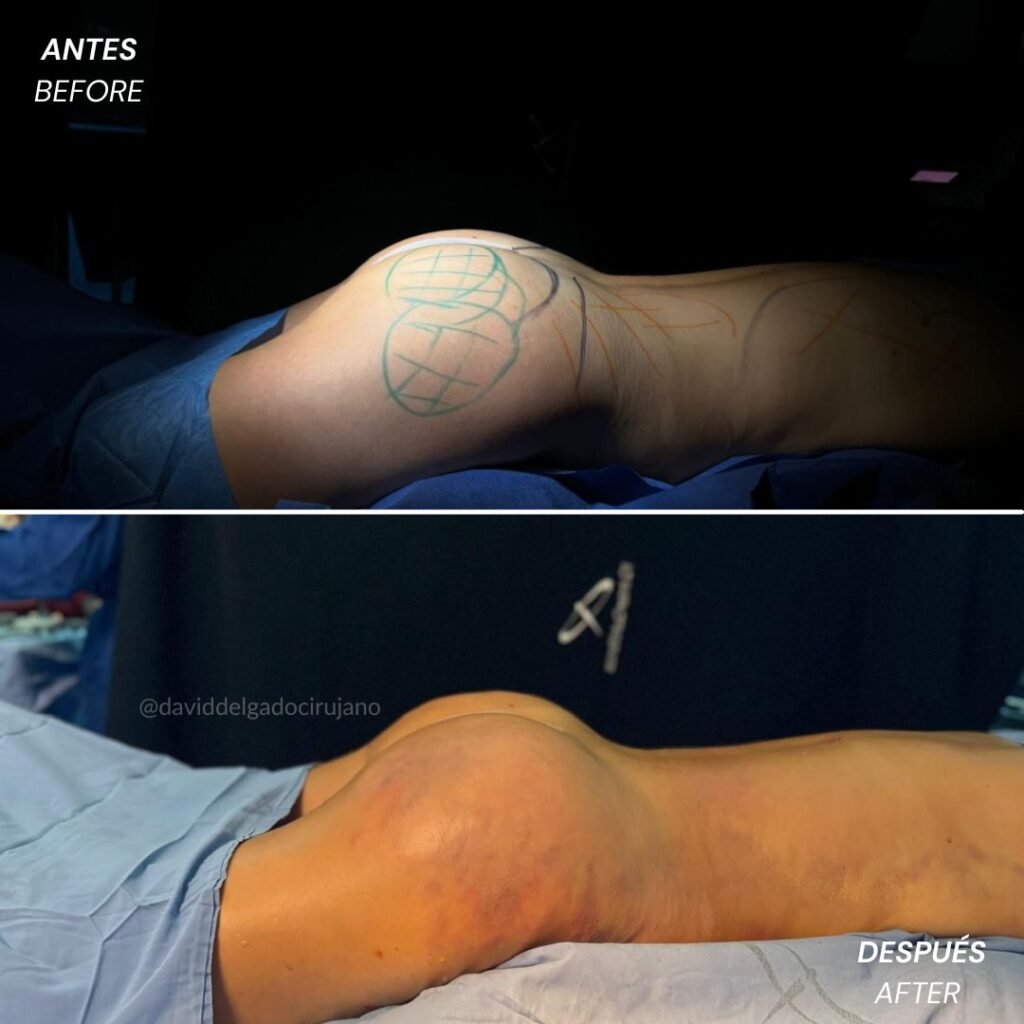
Fat Transfer Results: How Long Do They Last?
One of the most common questions I receive is how long fat transfer to buttocks results will last. The answer is that this procedure can provide long-lasting improvement, but it is important to understand that the result is influenced by both healing and long-term body changes.
In other words, patients should think of the result as stable but not completely fixed in the way an implant might be. Because this procedure uses living fat cells, the outcome depends on how those cells integrate, how the body heals, and how the patient maintains their weight and overall health over time.
What Happens to Transferred Fat Over Time?
After surgery, not all the transferred fat survives permanently. A certain percentage of fat reabsorption is expected as part of the normal healing process. This means that some of the fat placed during surgery will not remain long term, which is why early postoperative appearance is not the same as the result.
For that reason, I always explain that patience is important. The body needs time to heal, swelling must resolve, and the surviving fat must stabilize before the final contour can be evaluated properly. A realistic understanding of this process helps patients approach the result with the right expectations.
Factors That Influence Fat Transfer to Buttocks Results
Several factors can affect how well fat transfer to buttocks results develop and how long they last. While no surgeon can guarantee the exact survival of every fat cell, there are important elements that influence the quality and stability of the outcome:
- Surgical technique
- Blood supply
- Postoperative care
- Weight stability
- Overall patient health
All of these factors matter. In my experience, the best results come from a combination of careful surgical planning, precise technique, proper recovery, and a patient who maintains healthy habits after surgery.
How to Maintain Natural BBL Results
To preserve a natural bbl over time, one of the most important recommendations is maintaining a stable weight. Since the transferred fat behaves like living tissue, significant weight fluctuations can affect the contour achieved with surgery.
Healthy habits also make a difference. Good nutrition, proper recovery, and following postoperative instructions all support a better long-term outcome. From my perspective, a natural bbl is not only about the surgery itself, but also about how well the patient protects and maintains the result afterward.
Why Colombia for Your Fat Transfer Procedure?
Choosing where to have your fat transfer to buttocks is a deep personal decision, especially when you want to feel safe, understood, and well cared for throughout the process. Colombia has become a recognized destination for plastic surgery because many patients find experienced specialists, modern clinics, and a strong focus on aesthetic medicine. For international patients, this combination offers reassurance when looking for a procedure that requires both medical expertise and an artistic understanding of body contour.
Within Colombia, Medellín stands out as one of the leading cities for aesthetic procedures thanks to its medical infrastructure, international accessibility, and the personalized experience many patients seek. When people explore fat transfer to buttocks in Colombia, they usually look for a qualified surgeon, clear safety standards, modern facilities, individualized care, and virtual consultation options before traveling. At Plastic Surgery Medellín, located in Torre Médica Oviedo, I understand that trust matters far more than price alone, which is why I believe surgical judgment, safety, and experience should always guide this decision.
Dr. David Delgado's Approach to Natural BBL
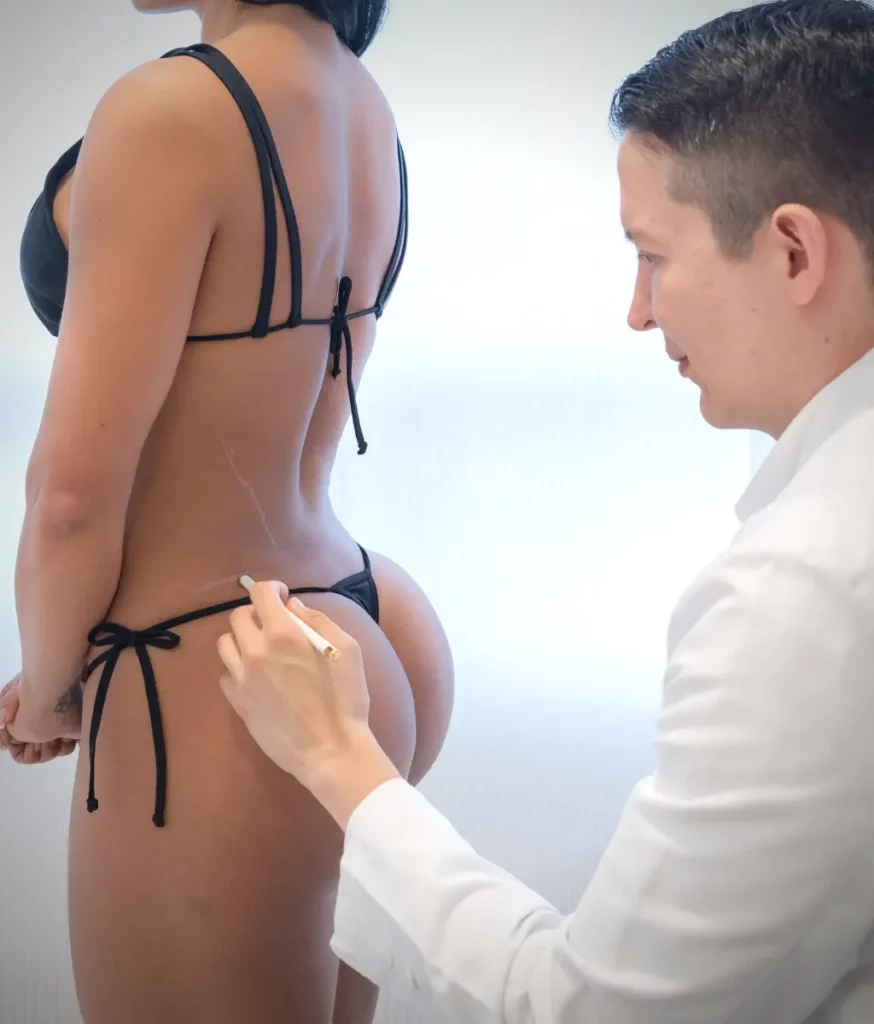
My approach to a natural bbl is based on creating harmony, not simply adding volume. Every patient has a different anatomy, different goals, and a different definition of what feels beautiful and natural. For that reason, I do not believe in one-size-fits-all body contouring. I evaluate proportions, fat distribution, skin quality, and overall balance so I can design a result that feels elegant, personalized, and true to the patient’s body.
When I perform fat transfer to buttocks, my priority is to combine safety, precision, and natural-looking results in every stage of the process. Patients who come to me in Medellín are often looking not only for surgical expertise, but also for honest guidance and a more personal experience. At Plastic Surgery Medellín, in Torre Médica Oviedo, I also offer virtual guidance for international patients, so they can begin with a remote evaluation and receive professional orientation before deciding to travel to Colombia.
FAQs About Fat Transfer to Buttocks
1. What is fat transfer to buttocks?
Fat transfer to buttocks is a body contouring procedure in which I remove fat from areas such as the abdomen, flanks, back, or thighs through liposuction, process that fat carefully, and then inject it into the buttocks to improve shape, volume, and projection. The goal is not only to enhance the buttocks, but also to create a more balanced silhouette.
One of the main advantages of this procedure is that it uses the patient’s own fat instead of implants. Because of that, many patients are drawn to the possibility of achieving a more natural-looking and more harmonious result.
2. Is fat transfer to buttocks the same as a natural BBL?
In many cases, yes. A natural bbl usually refers to a buttock enhancement procedure that uses the patient’s own fat to create a result that looks balanced and soft rather than exaggerated. This is why the terms are often closely related in consultation and in online searches.
That said, the word “natural” is also about the surgical approach. In my practice, a natural bbl means respecting body proportions, planning carefully, and creating shape in a way that fits the patient’s anatomy rather than simply pursuing maximum volume.
3. Am I a good candidate for fat grafting buttocks?
A good candidate for fat grafting buttocks is usually someone who wants moderate to noticeable enhancement, has enough donor fat available, is in good general health, and has realistic expectations about what surgery can achieve. Stable weight and good skin quality can also help support a better outcome.
However, candidacy should always be determined through an expert evaluation. Not every patient who wants more projection is automatically a good candidate, and that is why I assess body proportions, fat availability, safety factors, and the desired result before recommending surgery.
4. Can a very thin patient have a brazilian butt lift without implants?
A brazilian butt lift without implants depends on having enough donor fat to harvest and transfer. If a patient is very thin, there may not be enough fat available to create the desired enhancement in a safe and effective way. In those cases, it is important to discuss limitations honestly rather than force a procedure that the anatomy does not support.
This does not mean the patient has no options, but it does mean the treatment plan must be individualized. The best approach always depends on what can be achieved safely and proportionally for that specific body.
5. How is fat transfer to buttocks different from butt implants?
The main difference is that fat transfer to buttocks uses the patient’s own fat, while butt implants use a prosthetic device to create volume. Fat transfer can provide a softer and more natural feel, and it also allows contouring of other areas through liposuction at the same time.
Implants may be considered in some patients who do not have enough donor fat, but they involve different surgical considerations and a different recovery process. The right option depends on anatomy, goals, and what can be done responsibly from both a medical and aesthetic perspective.
6. What is recovery like after buttock augmentation fat transfer?
Recovery after buttock augmentation fat transfer usually includes swelling, bruising, soreness, and temporary activity limitations during the first stage of healing. Because both the liposuction areas and the buttocks are recovering, patients should expect some discomfort and the need to follow positioning instructions carefully.
Even though recovery varies from one person to another, the process should be taken seriously. Proper aftercare, follow-up, and respecting activity restrictions are all important because they help protect the transferred fat and support the development of the final shape.
7. When can I sit normally after fat transfer to buttocks?
After fat transfer to buttocks, patients are generally advised to avoid direct pressure on the buttocks during the early healing period. This is because the transferred fat needs time to integrate, and too much pressure too soon may affect how well it settles.
The exact timing depends on the case and on postoperative progress, which is why I give each patient personalized instructions. Rather than focusing on a fixed timeline, I prefer to guide recovery according to how the body is healing and what is safest for the result.
8. How long does fat transfer to buttocks results last?
Fat transfer to buttocks can provide long-lasting results, but it is important to understand that not all of the transferred fat survives permanently. A percentage of fat reabsorption is expected during healing, and the result becomes more evident once swelling decreases and the surviving fat stabilizes.
Long-term results are influenced by several factors, including surgical technique, postoperative care, blood supply, overall health, and weight stability. In general, patients who maintain a stable weight and follow instructions carefully tend to preserve their result more effectively over time.
9. How much fat is needed for buttock augmentation fat transfer?
The amount of fat needed for buttock augmentation fat transfer depends on the patient’s anatomy, the amount of donor fat available, and the type of enhancement they want. Some patients are seeking subtle contour improvement, while others want a more noticeable change in projection and shape.
This is why there is no single number that applies to every case. During consultation, I evaluate the available donor areas and determine what volume can be transferred safely while still aiming for a natural and proportionate result.
10. Why choose Dr. David Delgado for fat transfer to buttocks in Medellín?
Choosing a surgeon for fat transfer to buttocks is about more than selecting a procedure. It is about finding someone who approaches the surgery with judgment, safety, and a clear understanding of body harmony. In my practice, I focus on careful evaluation, personalized planning, and natural-looking outcomes that respect each patient’s anatomy.
At Plastic Surgery Medellín, located in Torre Médica Oviedo, I work to provide patients with a professional and personalized experience from the first consultation onward. For international patients, I also offer virtual guidance, which allows us to begin the evaluation process with clarity and confidence before traveling to Colombia.