
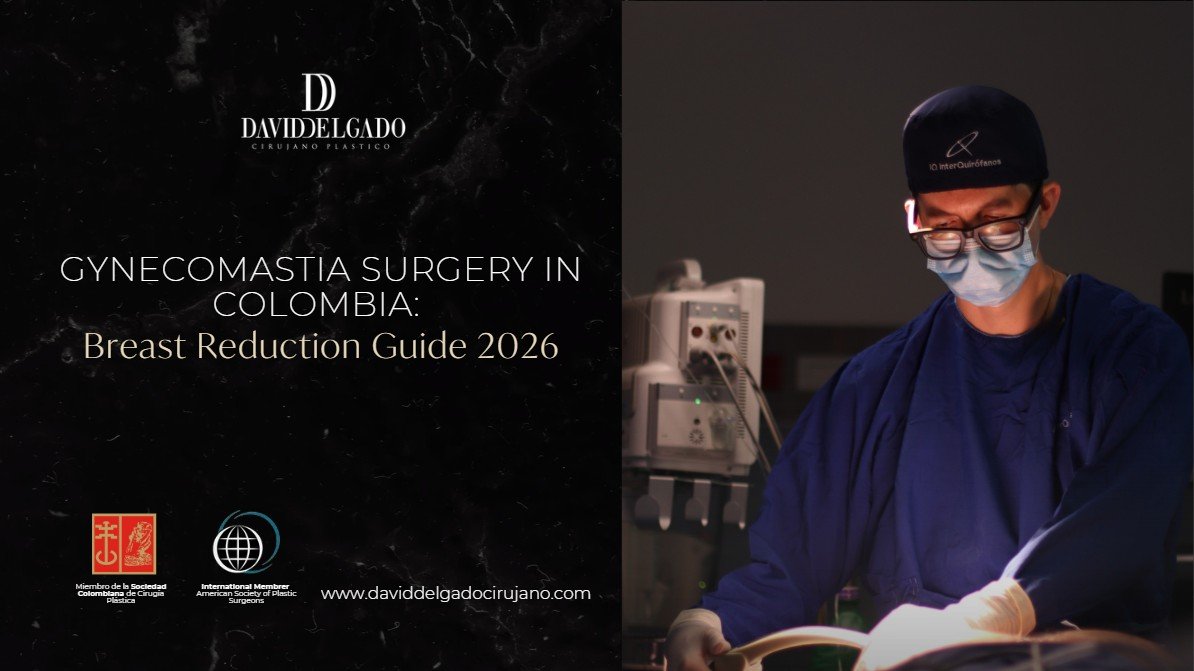
Gynecomastia surgery is a transformative procedure that helps men regain confidence by addressing a condition that affects a significant number of individuals. Gynecomastia refers to the abnormal development of enlarged breast tissue in men, which can cause physical discomfort and emotional distress. It is a condition that not only affects appearance but also self-esteem, leading many men to seek a solution. If you’ve been struggling with gynecomastia, you’re not alone, and surgery could be the answer you’ve been looking for.
In this blog, I will provide a comprehensive understanding of gynecomastia surgery, its benefits, the surgical process, and most importantly, why I am the trusted expert in this field in Medellín. As a plastic surgeon specializing in male aesthetic procedures, I have helped numerous patients feel comfortable in their own skin again. If you’re considering this surgery, I hope to offer valuable insights into the procedure, its recovery, and how it can enhance both your physical and emotional well-being.
What is Gynecomastia?
Gynecomastia is a condition that affects many men worldwide, characterized by the enlargement of the breast tissue. This condition can vary in severity, and in some cases, it may cause significant physical and emotional distress. Understanding the causes and symptoms of gynecomastia is essential in determining the right treatment options, and in many cases, surgery may be the best solution for restoring confidence and comfort.
Gynecomastia in Men: Causes and Symptoms
Hormonal Imbalances
The most common cause of gynecomastia is a hormonal imbalance, specifically an increase in estrogen or a decrease in testosterone. This imbalance can occur during puberty, in aging men, or due to certain medical conditions. Estrogen is responsible for the development of female characteristics, and when it outweighs testosterone, the body may develop excess breast tissue.
Genetics
Sometimes, gynecomastia is hereditary. If there is a family history of the condition, a man may be more predisposed to developing it. Certain genetic factors can affect how the body processes hormones, leading to the development of enlarged breasts.
Obesity
Excess body fat, particularly visceral fat, can influence hormone levels in the body. Fat cells can convert androgens into estrogen, increasing estrogen levels in men and contributing to gynecomastia. Men who are overweight or obese are more likely to experience this condition due to the higher amounts of fat tissue in their bodies.
Medications and Substances
Certain medications, such as anabolic steroids, anti-androgens, and drugs used for prostate cancer, can alter hormone levels and trigger gynecomastia. Even alcohol and drug use, including marijuana, can contribute to this condition by disrupting hormonal balance.
Symptoms of Gynecomastia:
The most common symptoms of gynecomastia include swelling, tenderness, or sensitivity in the breast area. In some cases, the tissue becomes firm and may be accompanied by pain or discomfort. This condition often affects both breasts, but it can also occur in one breast. The physical changes can be distressing, and in many cases, the emotional impact is equally significant. Men with gynecomastia may feel self-conscious or embarrassed, which can affect their overall well-being.

Gynecomastia Surgery: The Procedure Explained
Gynecomastia surgery is a transformative procedure designed to correct the appearance of enlarged breast tissue in men. If you’re considering surgery to address gynecomastia, it’s important to understand the steps involved and what you can expect throughout the process. This section will explain the surgical techniques used, the goals of the procedure, and provide insight into the recovery process, ensuring that you’re well-informed as you take the next steps toward a more confident you. Whether your gynecomastia is caused by excess fat or glandular tissue, surgery can help achieve a flatter, more masculine chest contour that will significantly enhance both your physical appearance and self-esteem.
Gynecomastia Surgery for Male Patients
When it comes to treating gynecomastia, surgery is often the most effective and lasting solution. The gynecomastia surgery procedure is designed to remove excess tissue from the chest, creating a flatter, more masculine contour. For many men, this procedure can have a life-changing impact on their confidence and physical appearance.
Surgical Techniques Used:
There are several techniques that may be used during gynecomastia surgery, depending on the extent of the condition and the desired results:
- Liposuction: In cases where gynecomastia is primarily caused by excess fat, liposuction may be used to suction out the fat tissue. This minimally invasive technique involves small incisions around the chest area, through which a thin tube (cannula) is inserted to remove the fat.
- Gland Removal: If gynecomastia is primarily due to excess glandular tissue (as opposed to fat), a more direct approach may be required. This involves making an incision around the areola or in the chest area to remove the overgrown breast tissue. This technique is often used in more severe cases of gynecomastia.
- Combination: In many cases, a combination of liposuction and gland removal is performed to achieve the best results. This approach allows for the removal of both excess fat and glandular tissue, ensuring a more defined chest contour.
Goal of the Surgery:
The primary goal of gynecomastia surgery is to restore a flatter, more sculpted chest appearance. This procedure helps men achieve a more masculine chest contour by addressing the excess tissue that causes the appearance of enlarged breasts. It’s not just about aesthetics—this surgery can have a profound impact on a man’s self-esteem, allowing him to feel more confident and comfortable in his own body.
What Happens After Gynecomastia Surgery?
Post-Surgery Recovery:
After gynecomastia surgery, it’s normal to experience some discomfort, swelling, and bruising in the chest area. This is part of the natural healing process and typically subsides within the first week. However, it’s essential to follow the aftercare instructions provided by your surgeon to ensure smooth recovery and optimal results.
Patients are usually advised to wear a compression garment for several weeks after the surgery. This garment helps reduce swelling, supports the healing tissues, and ensures the chest retains its new contour. While you may feel some discomfort, most patients are able to return to work and other light activities within 3 to 7 days, depending on the nature of their job and the intensity of their recovery.
Importance of Post-Operative Care:
Proper post-operative care is crucial to achieving the best possible results from gynecomastia surgery. It is essential to avoid strenuous physical activity for several weeks to allow the body to heal properly. Your surgeon may recommend follow-up appointments to monitor your progress and ensure that the recovery process is on track.
By following all post-operative care instructions—such as taking prescribed medications, avoiding certain movements, and attending follow-up appointments—you can minimize complications and achieve the most satisfying long-term results. It’s important to be patient, as results may take several months to fully appear due to lingering swelling and the body’s natural healing process.
You might be interested: Plastic Surgery: Transformation, Confidence, and Well-being

What to Expect After Gynecomastia Surgery
After undergoing gynecomastia surgery, it’s important to have realistic expectations regarding the recovery process and the results. Every patient’s recovery timeline may differ slightly, but the general process follows a predictable pattern.
Typical Recovery Timeline:
Bruising and Swelling
Immediately after surgery, it's common to experience bruising and swelling in the chest area. These side effects will peak within the first few days and gradually begin to subside. Most bruising will resolve within 1 to 2 weeks, while swelling can take up to 4 to 6 weeks to diminish significantly.
Resuming Normal Activities
Patients are advised to avoid strenuous physical activities for at least 3 to 4 weeks after the surgery. This includes activities like heavy lifting, intense exercise, or any movement that could stress the chest area. You can typically return to work and perform light activities within 5 to 7 days, depending on the nature of your job and your comfort level.
Results
The results of gynecomastia surgery will become most apparent after about 3 to 6 months, as swelling fully subsides and the chest contour settles into its permanent shape. While initial improvements are visible within a few weeks, full refinement takes time.
Long-Term Results and Maintenance:
Once you’ve fully healed, the results of gynecomastia surgery can last for many years. However, it’s important to maintain a healthy lifestyle—especially in terms of weight management and hormonal balance—to prevent recurrence of excess tissue growth. Even though the surgery removes the underlying cause of gynecomastia, maintaining a balanced diet and regular exercise routine is key to ensuring that your results remain stable long-term.
What Are the Risks of Gynecomastia Surgery?
As with any surgical procedure, gynecomastia surgery carries some risks, although they are rare when the procedure is performed by an experienced and qualified surgeon like myself. It’s important to be aware of these risks while understanding that they are minimal in properly managed cases.
Possible Complications:
- Scarring: Like any surgery, gynecomastia surgery involves incisions, which will leave scars. However, these scars are typically well-hidden around the areola or in natural skin folds, so they are not very noticeable. In most cases, the scars fade significantly over time and are usually not a cause for concern.
- Asymmetry: While the goal of the surgery is to create a balanced and symmetrical chest, some slight asymmetry can occur. This is usually minimal and can be addressed during follow-up visits if needed.
- Changes in Nipple Sensation: It's possible to experience temporary or, in very rare cases, permanent changes in nipple sensation following surgery. This is usually a temporary issue as nerves heal, but it can occasionally be more lasting.
Minimizing Risks:
When performed by a skilled surgeon like Dr. David Delgado, the risks associated with gynecomastia surgery are greatly reduced. I take great care to minimize complications by using precise surgical techniques, adhering to strict safety protocols, and providing clear post-operative instructions to ensure the best possible outcomes for my patients.

BodyTite in Medellín: Advanced Technology for Gynecomastia Treatment
BodyTite Medellín is an advanced radiofrequency technology that plays a crucial role in enhancing gynecomastia treatments, especially for patients with moderate cases. This non-invasive technology uses controlled energy waves to target and improve tissue quality, providing a more refined and defined chest contour after gynecomastia surgery.
Radiofrequency Technology for Skin Retraction:
The BodyTite system works by emitting radiofrequency energy through an internal and external probe. The energy creates an arc of current that stimulates tissue contraction. This process leads to a tightening of the skin and promotes collagen synthesis, which results in improved skin elasticity and better post-operative outcomes. By enhancing the skin’s natural ability to retract, BodyTite aids in achieving a more contoured chest, improving the overall aesthetic results after surgery.
Additionally, the skin-tightening effect provided by BodyTite helps improve the healing process and supports the skin’s ability to mold to the newly sculpted chest. This technology has proven to be effective in both primary treatments and secondary procedures for patients who have previously undergone liposuction.
How BodyTite Enhances Results in Gynecomastia Surgery
In gynecomastia surgery, the role of BodyTite Medellín is integral in ensuring the best possible results for patients. After applying radiofrequency for skin retraction, the next step involves using ultrasound to emulsify glandular tissue. Glandular tissue is typically more fibrous and harder to remove, which is why BodyTite is combined with ultrasound technology to break down the tissue more effectively before extraction.
Secondary Liposuction for Better Fat Extraction:
For patients who have already undergone liposuction, BodyTite is also used to improve the quality of fat removal. It allows us to address and break down internal scar tissue that may have formed during previous procedures. This helps with extracting fat more efficiently, reducing trauma, and ensuring smoother results. In addition, emulsified fat can be utilized for fat grafting, providing volume restoration in other areas that may need improvement, such as the pectoral muscles.
By combining BodyTite with other technologies, we achieve better skin retraction and fat removal, contributing to a more refined and sculpted chest contour. This comprehensive approach ensures that patients receive the highest level of care and the most effective treatment for gynecomastia.
You might be interested: Lipo 360: The Ultimate Guide to Transform Your Body
The Role of Morpheus in Gynecomastia Treatment: Complementing BodyTite
While BodyTite Medellín works deeply within the tissues to stimulate collagen production and tighten the skin, the Morpheus technology complements this effect by targeting the more superficial layers of the skin. Morpheus is a fractionated radiofrequency treatment with microneedling, which focuses on the outer skin layers, promoting skin heating and tightening.
The Combined Effect of BodyTite and Morpheus:
By utilizing Morpheus for superficial skin tightening and BodyTite for deeper tissue retraction, we can achieve a more comprehensive result. The Morpheus system acts on the surface layers, stimulating collagen in the dermis, while BodyTite works at a deeper level, improving overall skin firmness and contour. This combined approach helps achieve a smoother, more natural chest appearance, making it the perfect combination for treating moderate to severe gynecomastia cases.
Final Steps in Gynecomastia Surgery: Liposuction and Fat Transfer
Once we have addressed the skin tightening and glandular tissue breakdown, the next step is to perform liposuction to remove the remaining fat. Using advanced liposuction techniques, we ensure that the fat is extracted smoothly and evenly, leaving the chest with a refined shape. Additionally, the extracted fat can be repurposed for fat grafting, transferring the fat to the upper pectoral region to enhance muscle definition.
To further improve chest contour, we perform extended liposuction on the lateral areas of the chest to provide better contrast and definition. This comprehensive approach ensures that not only the front of the chest is treated, but the sides are also sculpted for a more natural look. Finally, we make a small incision to remove any residual glandular tissue, ensuring that the chest is as smooth and sculpted as possible.
Gynecomastia Surgery Cost and Why It’s Worth the Investment
The cost of gynecomastia surgery can vary depending on several factors. Understanding these factors can help you make an informed decision about your investment in your physical and emotional well-being.
Factors Influencing the Cost:
Complexity of the Case
The cost will often depend on the extent of the surgery. If gynecomastia is mild, the procedure may be simpler, requiring only liposuction. However, more severe cases that involve gland removal or more complex techniques will naturally increase the cost of the surgery.
Surgeon’s Expertise
Experienced surgeons, particularly those who specialize in male aesthetic procedures like gynecomastia surgery, may charge a higher fee due to their skills, expertise, and reputation. Investing in a skilled professional is essential for achieving the best results.
Clinic Reputation and Facilities
The quality of the clinic and the facilities used during surgery also affect the overall cost. Clinics with state-of-the-art equipment and excellent patient care will naturally have higher fees.
The Value of the Investment:
While gynecomastia surgery is an investment, it’s one that can offer both physical and emotional benefits. The surgery can dramatically improve your self-esteem by enhancing your appearance and allowing you to feel more comfortable in your body. This confidence boost can have far-reaching effects on your social interactions, relationships, and overall quality of life. When you consider the lasting impact on your self-image, the cost of the procedure can be viewed as a valuable investment in your long-term well-being.
Affordable Gynecomastia Surgery in Medellín
Medellín is a top destination for gynecomastia surgery, offering a combination of high-quality care and affordable pricing. With a lower cost of living compared to other countries, gynecomastia surgery in Medellín offers excellent value without compromising on the quality of care or results.
How Much is Gynecomastia Surgery?
The cost of gynecomastia surgery can vary significantly depending on factors like the complexity of the procedure, the surgeon’s experience, the clinic’s location, and the technologies used. On average, gynecomastia surgery can range from $3,000 to $8,000 in many countries. Additional costs may include consultations, anesthesia, and post-surgery garments. It’s important to ensure that the surgeon performing the procedure has the necessary expertise to guarantee the best results, as cutting corners to save money may lead to unsatisfactory outcomes or complications.
Cheapest Country to Get Gynecomastia Surgery
When considering gynecomastia surgery, many individuals look for affordable options while ensuring quality care. Countries like Turkey, Thailand, Mexico, and Colombia offer competitive pricing for gynecomastia surgery without compromising on the standards of medical care. These destinations are well-known for their high-quality healthcare services and experienced surgeons, providing a more accessible option for those seeking this procedure. While the cost of surgery in these countries may be lower compared to others, patients should thoroughly research the surgeon’s credentials and the clinic’s reputation to ensure a safe and effective treatment.
Gynecomastia before and after


Why Choose Dr. David Delgado?

As a trusted plastic surgeon with years of experience in performing gynecomastia surgery, I pride myself on offering affordable yet exceptional results. My clinic is equipped with the latest technology and adheres to international standards of safety and care. In addition to the competitive pricing, I ensure that every patient receives personalized treatment tailored to their specific needs, guaranteeing that the procedure not only improves your appearance but also enhances your confidence in the long run.
If you’re considering gynecomastia surgery, Medellín—especially with a skilled surgeon like me—is an ideal choice for those seeking high-quality, affordable care.
Frequently Asked Questions (FAQs)
1. What is gynecomastia, and why does it happen?
Gynecomastia refers to the enlargement of breast tissue in men, often caused by an imbalance between the hormones estrogen and testosterone. This condition can occur during puberty due to hormonal changes or later in life as a result of aging, obesity, or certain medications. Common contributing factors include hormonal imbalances, obesity, genetics, and the use of drugs or alcohol. In some cases, it may occur due to underlying medical conditions like thyroid disorders or testicular conditions.
2. How do I know if I have gynecomastia or just excess fat?
Gynecomastia involves the growth of glandular tissue, not just fat. The main difference is that gynecomastia typically feels like a firm, rubbery mass under the nipple, which may be tender to the touch. Excess fat, often seen in overweight individuals, may cause the chest to appear enlarged but lacks the firm texture associated with gynecomastia. If you’re uncertain, a consultation with a qualified surgeon like Dr. David Delgado will help determine the cause of your chest enlargement and whether surgery is necessary.
3. What types of gynecomastia surgery are available?
There are two main types of gynecomastia surgery:
- Liposuction: Used when excess fat is the primary cause of the enlarged breast tissue. This method uses a small cannula to remove fat through a series of small incisions.
- Gland Removal: When the enlargement is primarily due to glandular tissue, an incision is made to remove the excess glandular tissue, which is usually located beneath the nipple area.
- In many cases, a combination of both techniques is used to achieve the best results. Dr. Delgado will evaluate your condition and determine the most appropriate technique for your individual case.
4. How long does gynecomastia surgery take?
The duration of gynecomastia surgery depends on the complexity of the case and the techniques involved. On average, the surgery lasts between 1 to 2 hours. Simpler cases where liposuction is used alone may take less time, while more complex cases requiring gland removal could take a bit longer. Regardless of the technique used, the procedure is typically done as an outpatient procedure, meaning you can return home the same day.
5. What should I expect during the recovery process after gynecomastia surgery?
After gynecomastia surgery, most patients experience some bruise, swelling, and mild discomfort, which typically lasts for 1 to 2 weeks. You will be required to wear a compression garment for several weeks to reduce swelling and support the healing process. Most patients can return to work and light activities after 5 to 7 days, but more strenuous activities should be avoided for at least 3 to 4 weeks. The results will be visible after 3 to 6 months, as swelling continues to subside.
6. What are the risks and complications of gynecomastia surgery?
While gynecomastia surgery is generally safe, like any surgery, it carries some risks. Potential complications include:
- Scarring: All surgical procedures involve some level of scarring, but with gynecomastia surgery, the scars are usually well-hidden around the areola or in natural folds of the skin.
- Asymmetry: There may be slight asymmetry in the chest, but this can usually be corrected with follow-up procedures if necessary.
- Changes in nipple sensation: Some men may experience temporary or, in rare cases, permanent changes in nipple sensation.
- Infection or hematoma: These are rare but possible complications. By choosing an experienced surgeon like Dr. David Delgado, the risk of complications is minimized.
7. How soon will I see the results of gynecomastia surgery?
While you notice an improvement in the contour of your chest immediately after surgery, the results will take time to fully reveal themselves. Most of the swelling will subside within 4 to 6 weeks, but it may take up to 3 to 6 months for the full effects to be visible. The chest will continue to refine and settle into its new shape as healing progresses. It’s important to follow all post-operative care instructions to ensure the best results.
8. Is gynecomastia surgery covered by insurance?
In most cases, gynecomastia surgery is considered a cosmetic procedure and is not covered by insurance. However, if gynecomastia is causing physical discomfort or is linked to an underlying medical condition, some insurance companies may provide coverage. It’s important to check with your insurance provider and discuss the specifics of your case with Dr. Delgado, who can help guide you through the process.
9. Can I undergo gynecomastia surgery if I am overweight?
Yes, gynecomastia surgery can be performed on men who are overweight, but it’s important to keep in mind that achieving and maintaining a healthy weight post-surgery is crucial for long-term results. In some cases, weight loss may help reduce the appearance of gynecomastia, especially if it is caused by excess fat. However, surgery may still be necessary to remove glandular tissue and achieve a more defined chest contour.
10. Why should I choose Dr. David Delgado for my gynecomastia surgery?
Dr. David Delgado is a highly experienced and skilled plastic surgeon specializing in gynecomastia surgery. His extensive experience in performing male aesthetic procedures, combined with his commitment to patient safety and satisfaction, makes him a trusted choice for those seeking this procedure. Dr. Delgado uses the latest surgical techniques and personalized treatment plans to ensure the best results for each patient. His clinic is equipped with state-of-the-art facilities, ensuring that every step of the procedure—from consultation to recovery—is performed with the utmost care and professionalism. By choosing Dr. Delgado, you’re not only choosing technical expertise but also a compassionate approach focused on your long-term well-being.
11. Can Gynecomastia Surgery Cause Death?
Gynecomastia surgery is generally a safe procedure when performed by an experienced and qualified surgeon. However, as with any surgery, there are risks involved. While the risk of death is extremely rare, complications such as infection, blood clots, or adverse reactions to anesthesia can occur. It’s important to choose a skilled and certified surgeon, like Dr. David Delgado, who follows rigorous safety protocols to minimize these risks. Before surgery, you’ll receive a thorough consultation to evaluate your health and ensure you’re a suitable candidate for the procedure. By adhering to all pre- and post-operative instructions, the likelihood of serious complications can be further reduced, allowing for a smooth recovery and excellent results.
12. What Does Gynecomastia Surgery Mean?
Gynecomastia surgery refers to a surgical procedure aimed at reducing the excess breast tissue in men, which can result in a more masculine chest contour. It involves either the removal of glandular tissue or fat, or a combination of both, depending on the underlying cause of the gynecomastia. The goal of the surgery is to create a flatter, more defined chest. The procedure is typically performed under general anesthesia, and in most cases, it’s an outpatient procedure. After the surgery, patients can expect a recovery period that includes swelling and bruising, but the final results can significantly enhance both appearance and self-esteem.