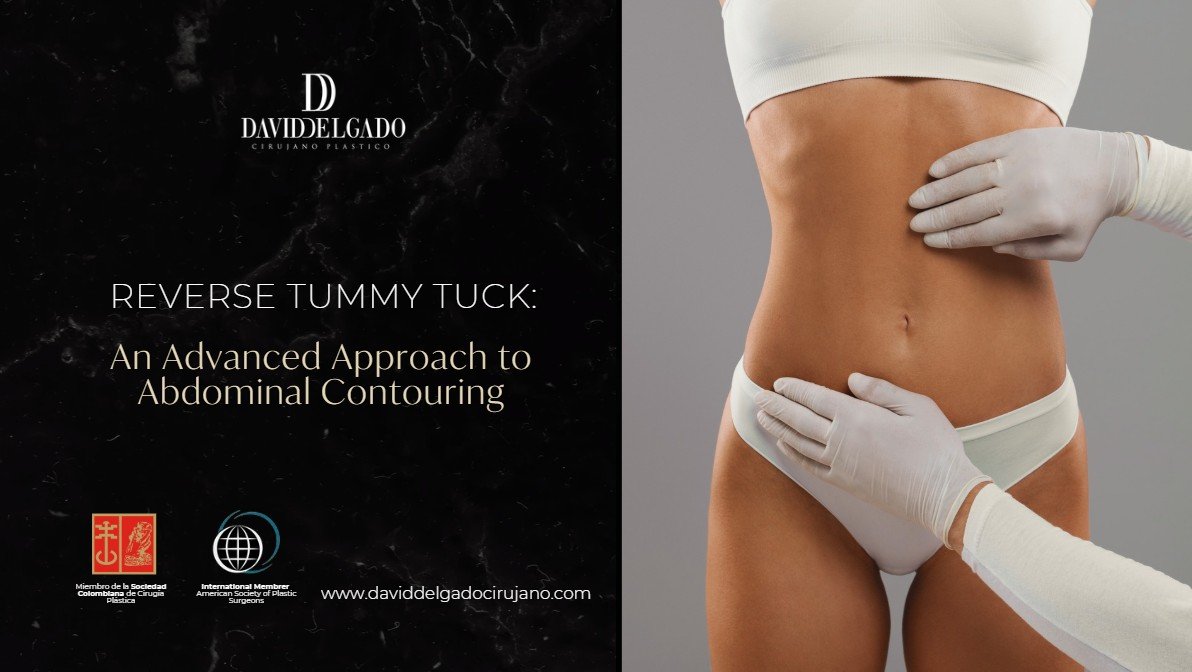
In recent years, I have seen a clear increase in patient interest in a very specific abdominal contouring procedure: the reverse tummy tuck. This is not a trend-driven request, but rather the result of patients seeking answers for concerns that a traditional tummy tuck does not always resolve—particularly when excess skin and laxity are located in the upper abdomen.
As body contouring surgery evolves, patients are becoming more informed and more precise about what they want to improve. Many arrive at my practice after extensive research, asking whether there is an option designed specifically for the upper abdominal area. In many of these cases, the reverse tummy tuck offers a targeted and anatomically sound solution.
Table of Contents
Why a Traditional Abdominoplasty Does Not Address All Abdominal Concerns
Conventional abdominoplasty is highly effective for treating excess skin and muscle laxity in the lower abdomen. However, from a surgical standpoint, it is not designed to fully correct skin redundancy above the navel. When upper abdominal laxity is the primary concern, relying on a standard approach may lead to limited improvement or unnecessary tension in areas that do not require correction.
Through my clinical experience, I have learned that abdominal contouring must be adapted to the patient’s anatomy, not the other way around. This is precisely where the reverse tummy tuck becomes relevant it allows for correction from the upper abdomen downward, rather than forcing all tension to be addressed from below.
Who Typically Searches for a Reverse Tummy Tuck and What Problem It Solves
Patients who inquire about a reverse tummy tuck often share common characteristics. Many have experienced significant weight loss, previous abdominal surgeries, or natural skin laxity associated with aging. Others feel that their abdomen looks disproportionate: flat in the lower region but loose or sagging above the navel.
The reverse tummy tuck is designed to specifically address this upper abdominal excess by repositioning and tightening the skin through an incision placed beneath the breast fold. This approach allows for precise correction while respecting the natural contours of the torso and avoiding unnecessary scars in the lower abdomen.
What Is a Reverse Tummy Tuck? Understanding the Technique
A reverse tummy tuck is a specialized body contouring procedure designed to correct excess skin and laxity in the upper abdomen, an area that is not fully addressed by a traditional abdominoplasty. While a standard tummy tuck focuses on tightening the lower abdomen by pulling the skin downward, the reverse tummy tuck works in the opposite direction, lifting and tightening tissues upward.
From a surgical perspective, this distinction is critical. Not all abdominal concerns originate below the navel. In many patients, particularly those who have experienced significant weight loss, prior abdominal surgery, or age-related skin laxity, the most visible excess skin is located above the umbilicus. In these cases, performing a traditional tummy tuck alone may result in incomplete correction or unnecessary tension on the lower scar.
The reverse tummy tuck specifically targets upper abdominal laxity, allowing for a more anatomically appropriate correction. Rather than forcing the skin downward, this technique repositions the tissue upward, restoring a smoother and more balanced abdominal contour.
Anatomical Focus: Upper Abdominal Laxity and Skin Excess
Upper abdominal skin behaves differently than lower abdominal skin. It is influenced by breast position, rib cage anatomy, and previous surgical scars. In my clinical experience, attempting to correct upper laxity with lower-based techniques often compromises results.
The reverse tummy tuck respects these anatomical differences. By addressing the upper abdomen directly, I am able to:
- Improve skin tension where laxity is most pronounced
- Avoid over-pulling the lower abdomen
- Maintain natural transitions between the abdomen and chest
This approach is especially valuable in patients whose lower abdomen are already relatively flat, but whose upper abdomen shows visible skin redundancy.
How the Reverse Tummy Tuck Works
Incision Placement and Tissue Repositioning
The defining feature of the reverse tummy tuck is its incision placement. The incision is strategically located along the inframammary fold the natural crease beneath the breasts. Through this access point, excess upper abdominal skin is carefully elevated and removed, and the remaining tissue is repositioned upward.
This upward vector of correction is what differentiates the procedure and allows for precise contouring of the upper abdomen without disturbing the lower abdominal anatomy.
Reverse Tummy Tuck Scar and the Inframammary Fold
One of the most common concerns patients express is related to the reverse tummy tuck scar. Placing the incision within the inframammary fold allows the scar to be naturally concealed by the breast crease, bras, or swimwear. For appropriately selected patients, this results in a scar that is significantly less visible than a traditional lower abdominal incision. It is important to understand that scar quality depends on multiple factors, including skin type, healing response, and postoperative care.
Why This Technique Offers a More Discreet Scar for Selected Patients
The reverse tummy tuck is not about minimizing scars at all costs; it is about placing them where they make anatomical and aesthetic sense. For patients whose concern is limited to the upper abdomen, this technique avoids unnecessary lower abdominal scars while delivering a more targeted correction.
When indicated and performed correctly, the reverse tummy tuck provides refined results, improved contour harmony, and scar placement that aligns with the body’s natural lines one of the key reasons it has become an increasingly sought-after option among informed patients.
Learn more here: Reverse Tummy Tuck Recovery: Timeline, Care, and Healing
Reverse Tummy Tuck Scar: Placement, Healing, and Expectations
One of the most frequent concerns I address during consultations is related to the reverse tummy tuck scar. Understanding where the scar is located, how it heals, and what influences its final appearance is essential for setting realistic expectations.
In a reverse tummy tuck, the incision is placed along the inframammary fold the natural crease beneath the breasts. This strategic location allows the scar to be naturally concealed by the breast contour, bras, or swimwear. Unlike traditional abdominoplasty scars, which are positioned in the lower abdomen, this approach avoids unnecessary incisions in areas that are not being corrected.
However, scar quality is not determined by location alone. Several factors play a role in how a reverse tummy tuck scar evolves over time, including:
- Individual skin type and genetic healing tendencies
- Surgical technique and precision
- Postoperative care and patient compliance
- Lifestyle factors such as smoking and sun exposure
From a medical standpoint, meticulous surgical planning and tissue handling are critical to achieving a fine, well-healed scar.
Professional Scar Management Protocols
In my practice, scar care is not an afterthought, it is an integral part of the surgical process. Professional scar management protocols may include medical-grade topical treatments, silicone therapy, sun protection guidance, and close postoperative monitoring. These measures are designed to support optimal healing and improve long-term scar appearance.
Before and After Reverse Tummy Tuck Scars
When patients search online for before and after reverse tummy tuck scars, they often expect immediate perfection. Scar evolution is a gradual process that unfolds over several months.
Initially, scars may appear firm or slightly raised. Over time, with proper care and medical follow-up, they typically soften, flatten, and blend more naturally with the surrounding skin. Understanding this progression is key to patient satisfaction.
Regular follow-up appointments allow me to evaluate healing, address concerns early, and adjust scar care strategies when necessary. Adherence to postoperative instructions plays a decisive role in achieving the best possible outcome.
Clarifying Common Online Misconceptions
Many online sources oversimplify scary outcomes or present unrealistic timelines. Scars do not disappear overnight, and no responsible surgeon can guarantee an invisible result. What I can guarantee is a thoughtful surgical approach, evidence-based scar management, and honest communication throughout the healing process.
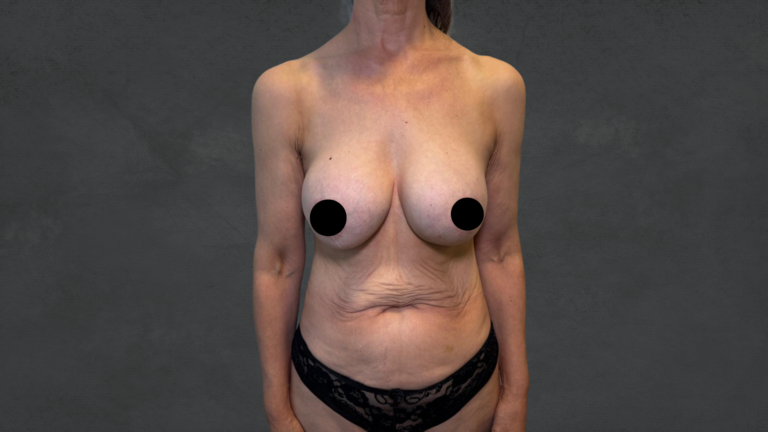
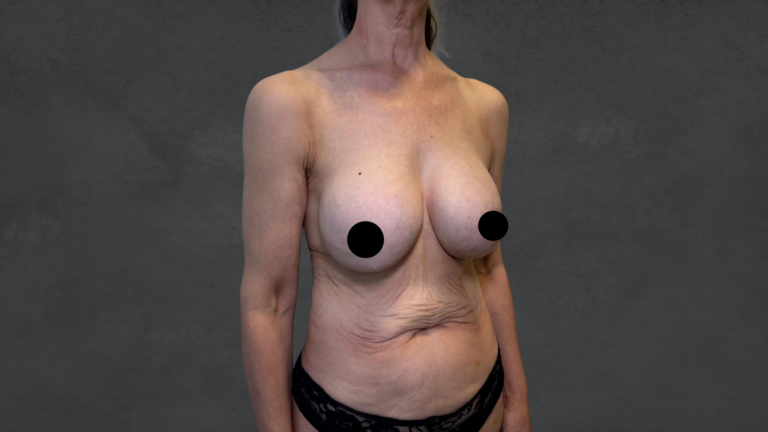
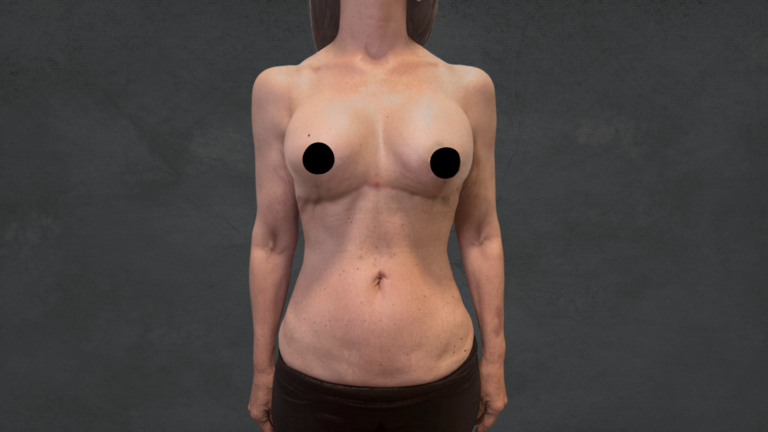
Reverse Tummy Tuck Pictures and Visual Expectations
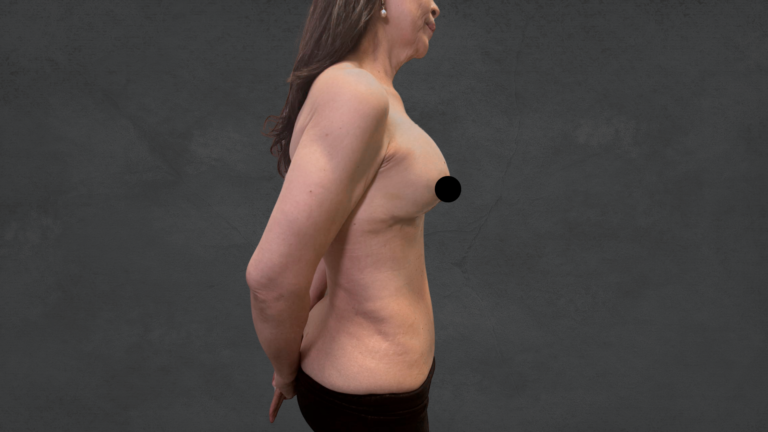
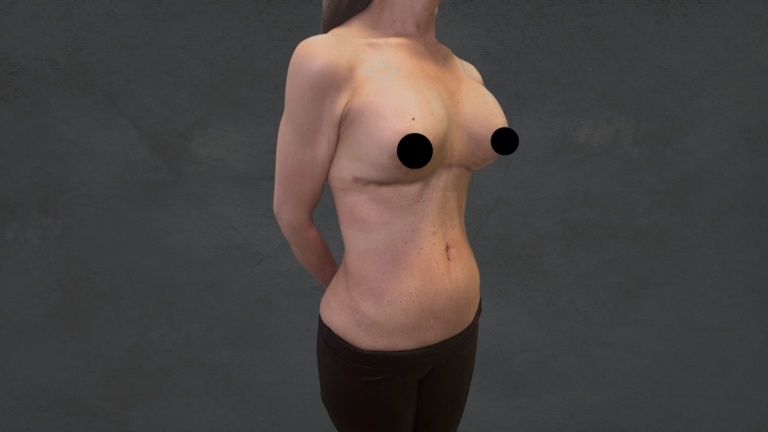
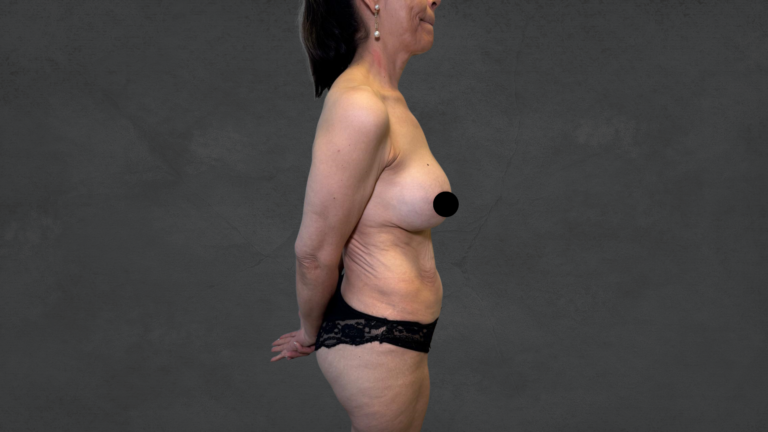
Patients frequently ask to see reverse tummy tuck pictures as part of their decision-making process. While images can be helpful, they must always be interpreted within the proper medical context.
Everybody is different. Variations in skin elasticity, rib cage anatomy, breast position, and previous surgeries significantly influence outcomes. This is why comparing one patient’s result to another can be misleading.
For this reason, I emphasize the importance of surgeon-curated case documentation. Evaluating images alongside a medical explanation provides a clearer understanding of what was corrected, why a specific technique was chosen, and how results align with the patient’s original anatomy.
What Reverse Tummy Tuck Pictures Do Not Show
While reverse tummy tuck pictures can illustrate contour improvement, they often fail to capture critical aspects of the surgical journey, such as:
- Healing timelines and postoperative swelling
- The scar maturation process over months
- The individualized planning that precedes each procedure
Photos do not reflect the detailed surgical decision-making that determines whether a patient is a suitable candidate for a reverse tummy tuck. They also do not show the importance of personalized planning, which is essential for achieving natural, balanced results.
Ultimately, images should serve as a reference not a promise. A thorough medical evaluation remains the most reliable way to determine what outcomes are realistic and appropriate for each individual case.
Reverse Tummy Tuck Cost and Combined Procedures
One of the most common questions I receive during consultations relates to the reverse tummy tuck cost. It is understandable for patients to want clarity regarding pricing; however, from a medical and ethical standpoint, this procedure should never be evaluated as a fixed or standardized service.
The cost of a reverse tummy tuck is influenced by several clinical and logistical factors, including:
- The complexity of the surgery and the amount of tissue correction required
- The operating facility and safety standards where the procedure is performed
- Anesthesia services and intraoperative monitoring
- Postoperative care, follow-up visits, and recovery protocols
Each patient presents a unique anatomical situation. Upper abdominal laxity varies significantly depending on skin quality, previous surgeries, body proportions, and whether additional procedures are indicated. For this reason, quoting a price without a thorough medical evaluation would be inaccurate and irresponsible.
An Ethical Approach to Cost Transparency
In my practice, I believe that transparency begins with education. During an in-person or virtual consultation, I explain not only the surgical plan, but also what is included in the overall reverse tummy tuck cost. This ensures that patients understand the value of comprehensive medical care rather than focusing solely on numbers.
Ethical pricing reflects surgical expertise, patient safety, accredited surgical facilities, and personalized follow-up not shortcuts. My goal is to help patients make informed decisions based on medical criteria, not marketing promises.
Reverse Tummy Tuck with Breast Lift
In selected cases, a reverse tummy tuck with breast lift may be recommended as a combined approach. This is not done arbitrarily; it is based on anatomical harmony and surgical logic.
Why These Procedures Are Often Combined
The incision used for a reverse tummy tuck is located along the inframammary fold, which is also a key anatomical landmark in breast surgery. When a patient presents with both upper abdominal skin laxity and breast ptosis, combining these procedures can optimize results while minimizing additional scars.
By addressing both areas in a single surgical plan, it is possible to:
- Restore balance between the upper abdomen and the chest
- Achieve a smoother, more continuous body contour
- Avoid separate surgeries and extended recovery periods
Anatomical and Aesthetic Synergy
From an aesthetic standpoint, tightening the upper abdomen while elevating the breasts enhances the overall torso proportion. The result is not just a flatter abdomen, but a more harmonious transition between the chest and abdominal region something that isolated procedures may not fully achieve.
Safety Considerations When Combining Procedures
Patient safety is always the primary factor when considering combined surgery. A reverse tummy tuck with breast lift is only performed when the patient’s health status, surgical time, and recovery capacity allow it. Proper preoperative evaluation, accredited operating rooms, and experienced surgical planning are essential to ensure safe and predictable outcomes.
When indicated and performed responsibly, combining these procedures can offer both aesthetic and practical advantages, always guided by individualized medical criteria.
Why Choose Dr. David Delgado for a Reverse Tummy Tuck

Choosing a surgeon for a reverse tummy tuck requires more than reviewing images or comparing prices; it requires confidence in medical judgment, experience, and safety standards. I am a board-certified plastic surgeon with international recognition, and my practice is grounded in evidence-based surgery, ethical decision-making, and personalized care. I have extensive experience treating complex body contouring cases, including patients after significant weight loss, where anatomical precision and careful planning are essential.
All procedures are performed in JCI-accredited operating rooms, ensuring the highest levels of surgical safety and quality. Every surgical plan is tailored to the individual, based on a thorough medical evaluation and responsible patient selection not every patient is a candidate, and honesty is part of quality care. For international patients, I offer specialized coordination and follow-up protocols designed to meet high global standards, providing both medical excellence and peace of mind throughout the entire surgical process.
Frequently Asked Questions About Reverse Tummy Tuck
1. What is a reverse tummy tuck and how is it different from a traditional tummy tuck?
A reverse tummy tuck is a surgical technique designed to correct excess skin and laxity in the upper abdomen. Unlike a traditional tummy tuck, which tightens tissue by pulling the skin downward, this procedure works in an upward direction. It is specifically indicated when the primary concern is located above the navel, making it a more precise option for selected patients.
2. Who is an ideal candidate for a reverse tummy tuck?
Ideal candidates for a reverse tummy tuck are patients with significant upper abdominal skin laxity, often after weight loss, previous abdominal surgery, or natural aging. It is particularly suitable for individuals whose lower abdomen is relatively flat but who experience sagging or excess skin in the upper abdominal area. A medical evaluation is essential to determine candidacy.
3. Where is the reverse tummy tuck scar located?
The reverse tummy tuck scar is typically placed along the inframammary fold, which is the natural crease beneath the breasts. This strategic placement allows the scar to be concealed by the breast contour, bras, or swimwear, making it less noticeable compared to lower abdominal scars when properly healed.
4. How noticeable are before and after reverse tummy tuck scars over time?
When reviewing before and after reverse tummy tuck scars, it is important to understand that scars evolve gradually. Initially, they may appear firm or slightly raised, but with proper care and medical follow-up, they usually soften and fade over several months. Final scar appearance depends on skin type, surgical technique, and postoperative care.
5. How long is the recovery after a reverse tummy tuck?
Recovery after a reverse tummy tuck varies depending on the extent of the procedure and whether it is combined with other surgeries. Most patients can resume light activities within a few weeks, while full recovery may take several months. Swelling and scar maturation continue to improve over time under medical supervision.
6. Can I rely on reverse tummy tuck pictures to predict my results?
Reverse tummy tuck pictures can provide a general reference, but they should never be interpreted as guarantees. Each patient’s anatomy, skin quality, and surgical plan are unique. Photos do not reflect healing time, scar evolution, or individualized planning, which are critical factors in final outcomes.
7. What factors influence the reverse tummy tuck cost?
The reverse tummy tuck cost depends on multiple factors, including surgical complexity, operating room standards, anesthesia, and postoperative care. For this reason, pricing should only be discussed after a comprehensive medical assessment to ensure accuracy and ethical transparency.
8. Is it safe to combine a reverse tummy tuck with a breast lift?
In selected patients, a reverse tummy tuck with breast lift can be safely performed. These procedures complement each other anatomically, as they share the inframammary area. Safety depends on the patient’s overall health, surgical time, and proper planning, which is why thorough evaluation is essential.
9. Does a reverse tummy tuck tighten abdominal muscles?
The primary goal of a reverse tummy tuck is to address skin laxity rather than muscle separation. However, if muscle tightening is required, it may be evaluated on a case-by-case basis. The surgical plan is always tailored to the patient’s specific anatomy and needs.
10. How do I know if a reverse tummy tuck is the right option for me?
The best way to determine if a reverse tummy tuck is appropriate is through a personalized consultation. During this evaluation, I assess anatomy, medical history, aesthetic goals, and safety factors to recommend the most effective and responsible surgical approach for each patient.