Author
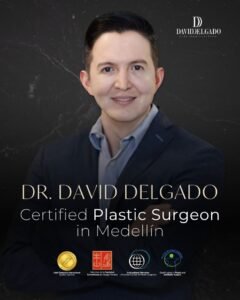
Dr. David Delgado, MD
Maxillofacial and plastic surgeon trained at Universidad Industrial de Santander and Universidad de Antioquia. Member of the American Society of Plastic Surgeons (ASPS), with over fifteen years of clinical practice in Medellín, Colombia.
- ASPS — Member
- SCCP
- UdeA Postgraduate Professor
Yes, plastic surgery in Colombia is safe when performed by a qualified plastic surgeon in an appropriately licensed medical facility, with proper patient evaluation and postoperative care. Colombia has experienced specialists and internationally accredited surgical institutions, but not every clinic or surgeon offers the same standards. As a plastic surgeon in Medellín, I always tell my international patients that safety starts long before the operating room. Your surgeon’s credentials, the facility where your procedure takes place, and your individual health conditions all matter.
I’m Dr. David Delgado, a member of the Colombian Society of Plastic Surgery (SCCP) and an International Member of the American Society of Plastic Surgeons (ASPS). I perform my procedures at Clínica IQ InterQuirófanos in Medellín, a JCI-accredited surgical facility. While no surgery is completely risk-free, choosing the right medical team can help reduce avoidable risks. If you’re considering plastic surgery in Colombia, I’ll explain what the statistics reveal, which safety standards you should verify, and what you need to know before traveling for surgery.
How Safe Is Plastic Surgery in Colombia? What the Numbers Really Tell Us
Colombia has an established plastic surgery sector that attracts patients from around the world. But when patients ask me about plastic surgery safety in Colombia, I encourage them to look beyond popularity. The number of procedures performed tells us about the country’s surgical activity, not whether a particular operation will be safe.
How Many Plastic Surgery Procedures Are Performed in Colombia?
According to the International Society of Aesthetic Plastic Surgery (ISAPS), Colombia recorded an estimated 459,360 aesthetic procedures in 2025, including surgical and non-surgical treatments.
Here is what the latest figures reveal:
ISAPS Global Survey 2025
Estimated aesthetic procedures in Colombia
| Procedure category | Estimated figures |
|---|---|
| Total aesthetic procedures | 459,360 |
| Surgical procedures | 331,392 |
| Non-surgical procedures | 127,968 |
Note: Procedure volume does not represent a surgical safety or success rate.
The survey also reported a 27.5% median proportion of international patients among the Colombian practices surveyed, placing Colombia third worldwide on that measure.
These findings demonstrate Colombia’s relevance in international aesthetic surgery. However, they are estimates based on survey data, not a complete national registry or a measurement of surgical outcomes.
Can Statistics Tell You Whether Your Surgery Will Be Safe?
Not by themselves. I believe patients should understand what each statistic actually measures before making a medical decision.
| What the data tells you | What it does not tell you |
|---|---|
| Procedure volume How many treatments are estimated to be performed. | The success rate or safety of those treatments. |
| Medical tourism How frequently international patients seek treatment. | Whether foreign patients experience fewer complications. |
| Safety indicators Documented complications, infections or other clinical outcomes. | Your individual risk without a medical evaluation. |
There is no single reliable national statistic that can guarantee the safety of every plastic surgery procedure in Colombia.
In my practice, I evaluate safety at the individual level, considering the patient’s health, the complexity of the procedure, the surgical environment and the postoperative care plan.
What Are the Real Risks of Having Plastic Surgery Abroad?
The medical risks of plastic surgery in Colombia are not fundamentally different from those of surgery elsewhere. However, traveling internationally introduces additional considerations. These are some of the complications I discuss with patients:
- Infections and wound-healing problems: Surgical wounds may become infected, reopen or heal more slowly than expected.
- Bleeding and anesthesia-related complications: These can occur during or after surgery, even with appropriate precautions.
- Blood clots: Deep vein thrombosis and pulmonary embolism are serious potential complications. Long flights and prolonged immobility can increase these risks during recovery.
- Unexpected surgical outcomes: Asymmetry, contour irregularities or other complications may require additional treatment.
- Limited access to follow-up care: Returning home too early can make it harder to identify and manage complications promptly.
The U.S. Centers for Disease Control and Prevention (CDC) specifically identifies infections, blood clots and interruptions in continuity of care as important concerns for medical travelers.
My advice is simple: Never plan your surgery around the cheapest package or the earliest possible return flight. Your medical condition, the procedure and your recovery needs should determine the plan.
The next step is understanding how to verify the surgeon and medical facility before making your decision.
How Can You Tell If a Plastic Surgeon and Clinic in Colombia Are Safe?
One of the most important questions I encourage patients to ask is not simply, “Is plastic surgery in Colombia safe?” but rather, “How can I verify that the surgeon and medical facility I’m considering meet appropriate safety standards?”
Fortunately, Colombia has official systems that allow you to check important information before deciding.
Is Your Plastic Surgeon Properly Trained? Here's How to Verify Their Credentials
Not every doctor who offers cosmetic procedures has completed specialized training in plastic surgery.
Before choosing a plastic surgeon in Colombia, I recommend checking three things:
- Medical qualifications: Confirm that the physician has completed recognized medical and plastic surgery specialty training.
- Official registration: Search Colombia's National Registry of Healthcare Professionals (ReTHUS) to verify their authorization to practice and the professional information available.
- Professional memberships: Check whether the surgeon belongs to organizations such as the Colombian Society of Plastic Surgery (SCCP) or the American Society of Plastic Surgeons (ASPS).
An important distinction: Membership in a professional society is not the same as a medical specialty degree or board certification. Likewise, being an International Member of ASPS does not mean a surgeon is certified by the American Board of Plastic Surgery.
You can begin your verification through Colombia’s official ReTHUS registry.
Where Will Your Surgery Take Place, and Is That Facility Accredited?
A qualified surgeon should operate in a facility equipped to provide appropriate surgical and anesthetic care.
In Colombia, licensing and accreditation are different:
Healthcare Authorization (Habilitación)
A mandatory requirement for healthcare providers and services, which can be checked through Colombia's REPS registry.
International Accreditation (JCI)
An additional independent evaluation of institutional quality and patient safety standards.
Joint Commission International (JCI) evaluates healthcare organizations against standards addressing areas such as patient assessment, infection prevention, medication management and organizational quality.
Accreditation does not eliminate surgical risks, but it provides additional information about the institution’s commitment to established healthcare standards.
Before booking, ask for the exact name of the surgical facility and verify that the relevant services are authorized in Colombia’s REPS registry.
What Medical Tests and Evaluations Should Happen Before Surgery?
No surgical procedure should be recommended solely based on photographs or your desired appearance. During my evaluations, I consider several factors that can influence whether surgery is appropriate:
- Medical history: Existing conditions, previous surgeries, medications and allergies.
- Individual risk factors: Smoking, cardiovascular conditions, previous blood clots and other relevant health concerns.
- Preoperative testing: Blood tests, additional studies and anesthesia evaluation when indicated.
- Surgical planning: The type of procedure, expected duration and whether combining procedures is medically appropriate.
Not every patient needs the same tests, and not everyone is a suitable candidate for surgery.
Sometimes, the safest medical recommendation is to postpone a procedure or consider another approach.
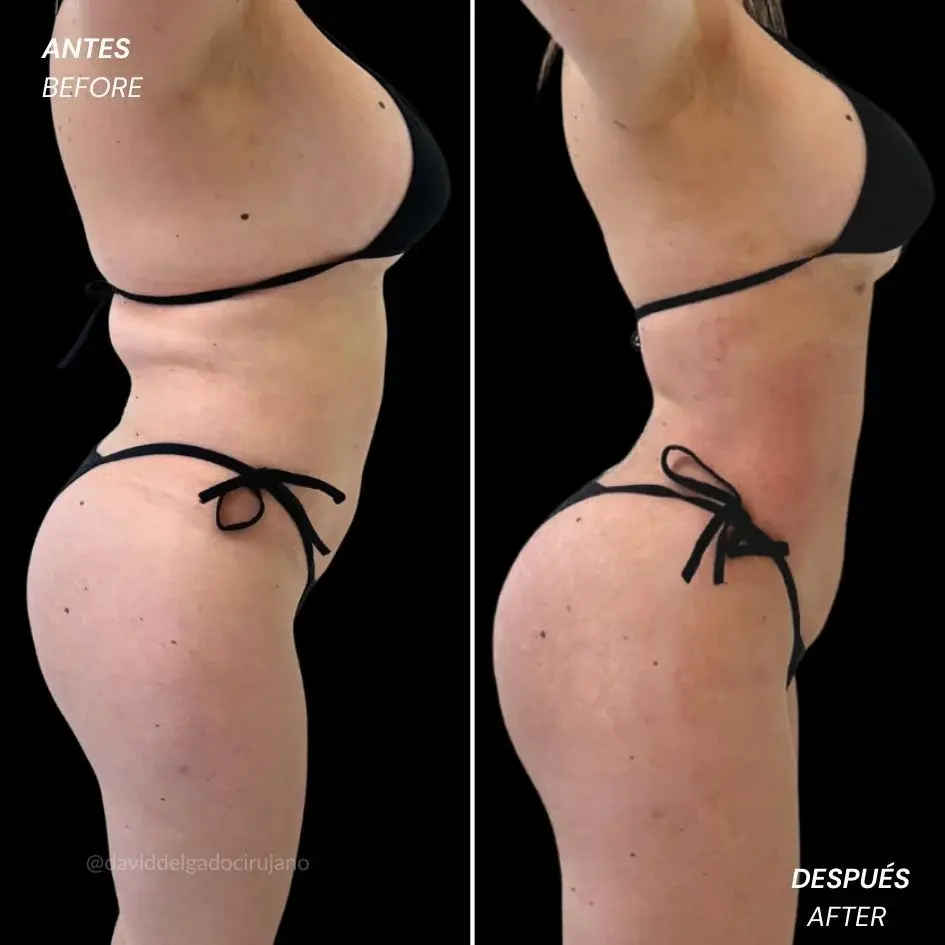
Planning Plastic Surgery in Colombia? Don't Overlook Your Recovery
When international patients contact me about plastic surgery in Medellín, we discuss more than the operation itself. We also need to plan where they will recover, how long they should remain in Colombia and what care they may need after returning home.
Your recovery plan is part of your surgical safety, not an afterthought.
How Long Should You Stay in Colombia After Plastic Surgery?
There is no single recommended length of stay for every patient. Recovery after a rhinoplasty, breast surgery, liposuction or tummy tuck involves different medical considerations.
Before confirming your return flight, I recommend planning for these stages:
In-person examination, preoperative assessments and anesthesia evaluation.
Medical monitoring, wound care, prescribed medications and appropriate assistance.
Follow-up examination, assessment of healing and confirmation that you are medically ready to travel.
Your stay may need to be extended if swelling, wound-healing problems or other complications require additional care. I recommend arranging accommodation that allows you to rest comfortably and attend scheduled postoperative appointments.
What Happens If You Need Follow-Up Care After Returning Home?
Returning to your country does not mean your recovery is necessarily complete. Some aspects of postoperative care can be supported remotely through photographs, video consultations and direct communication with your surgical team.
However, virtual follow-up cannot replace a physical examination when complications are suspected. Before leaving Medellín, make sure you have:
Your medical records
Including the procedure performed and relevant treatment details.
Written recovery instructions
Including medication use, wound care and activity restrictions.
Emergency warning signs
So you know when to seek immediate medical attention.
A local healthcare contact
In case you need an in-person evaluation after returning home.
Seek emergency medical care if you experience sudden shortness of breath, chest pain, fainting or significant leg swelling.
Fever, worsening redness, increasing wound drainage or rapidly worsening pain also require prompt medical evaluation.
I always emphasize that good surgical planning includes knowing what to do if recovery does not go as expected.
For international patients, preparing for the postoperative period is just as important as choosing the right surgeon.
Ready to Take the Next Step With Confidence?
Tell us about your goals and take the first step toward a personalized surgical evaluation with Dr. David Delgado.
Start Your Pre-ConsultationInternational patients welcome. Begin your journey before traveling to Medellín.
Why Trust Dr. David Delgado for Plastic Surgery in Medellín?
I understand that traveling abroad for surgery requires trust. I’m Dr. David Delgado, a plastic surgeon with over 15 years of experience, a full member of the Colombian Society of Plastic Surgery (SCCP) and an International Member of ASPS, a membership distinct from U.S. board certification. My practice is located at Torre Médica Oviedo in Medellín, and I perform my procedures at Clínica IQ InterQuirófanos, a JCI-accredited surgical facility where patient safety and quality standards are a priority.
Your safety begins before you arrive in Colombia. Through a virtual consultation, we can discuss your expectations, review your medical history, explore suitable procedures and answer your questions about surgery and recovery. An in-person evaluation is still necessary before proceeding. My goal is to help you make an informed decision and feel supported throughout the process.
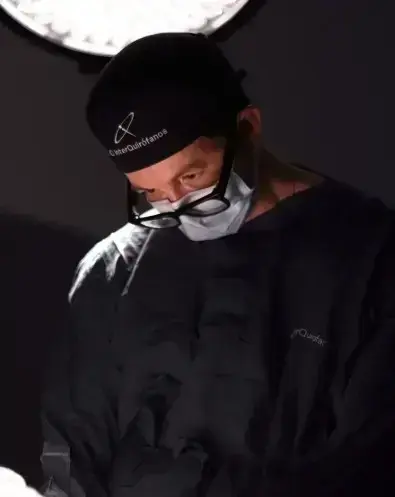
Frequently Asked Questions About Plastic Surgery Safety in Colombia
1. Is plastic surgery in Colombia safe for international patients?
Yes, plastic surgery in Colombia can be safe for international patients when performed by a qualified plastic surgeon in an appropriately authorized medical facility. However, no surgery is completely risk-free. I recommend verifying your surgeon’s credentials, understanding the potential complications and arranging adequate postoperative care before traveling.
2. How can I verify that a plastic surgeon in Colombia is qualified?
You can check a surgeon’s professional registration through ReTHUS, Colombia’s official registry of healthcare professionals, and review their specialty qualifications. You can also verify membership in the Colombian Society of Plastic Surgery (SCCP). Remember that professional membership and medical specialty qualifications are different credentials, so I recommend checking both.
3. Are plastic surgery clinics in Colombia required to have international accreditation?
No. Colombian healthcare facilities must meet applicable national authorization requirements, which can be verified through the REPS registry. International accreditation, such as Joint Commission International (JCI), is an additional voluntary assessment of healthcare quality and patient safety standards. It provides valuable information, but it does not guarantee complication-free surgery.
4. What are the most common risks of plastic surgery in Colombia?
Potential complications include bleeding, infection, anesthesia-related problems, wound-healing difficulties and blood clots. The likelihood of these complications depends on the procedure, your medical history and other individual factors. During my consultations, I explain the risks associated with the surgery being considered and the precautions we can take to help reduce them.
5. Is it safe to combine multiple plastic surgery procedures in one operation?
Combining procedures may be appropriate for selected patients, but more surgery is not always the safest option. Longer operating times and greater surgical complexity can increase certain risks. Before recommending combined procedures, I consider your general health, the expected duration of surgery and your recovery requirements. In some cases, performing procedures separately is a better decision.
6. What medical examinations are necessary before plastic surgery in Colombia?
Preoperative evaluation typically includes reviewing your medical history, current medications, previous surgeries and relevant health conditions. Depending on your procedure and individual risks, I may recommend blood tests, additional examinations or specialist assessments. An anesthesia evaluation is also an important part of surgical preparation. Not every patient requires the same tests, so the evaluation must be individualized.
7. How long should I stay in Medellín after plastic surgery?
Your recommended stay depends on the procedure, your recovery progress and whether additional medical attention is necessary. For international patients, I recommend allowing sufficient time for postoperative appointments and medical clearance before returning home. I advise against purchasing inflexible return tickets before we have discussed your recovery plan.
8. Is it dangerous to fly home shortly after plastic surgery?
Flying too soon can increase certain risks, particularly deep vein thrombosis (DVT) and pulmonary embolism. Surgery, reduced mobility and long-distance travel may contribute to blood clot formation. The appropriate waiting period varies according to your procedure and health conditions. I recommend traveling only after your postoperative evaluation confirms that you are medically ready.
9. What happens if I develop complications after returning to my country?
Some postoperative concerns can be discussed through virtual follow-up appointments, photographs or direct communication with my team. However, complications may require an immediate in-person medical evaluation. Before returning home, you should have clear recovery instructions, access to your medical records and a plan for obtaining local medical assistance if necessary. Remote consultations cannot replace emergency or hands-on medical care.
10. Can I consult Dr. David Delgado before traveling to Colombia?
Absolutely. I offer virtual consultations for international patients considering plastic surgery in Medellín. During our conversation, we can discuss your expectations, medical history, available surgical options and concerns about safety and recovery. Although a final decision requires an in-person evaluation, this first conversation can help you plan your trip and understand the process before making a commitment.
References
Medical Disclaimer
The information on this page is for educational purposes only and does not constitute medical advice. Plastic surgery procedures carry inherent risks and individual results vary. Schedule a private consultation with Dr. David Delgado to evaluate your specific case, candidacy, and expected outcomes. This content reflects the surgeon's professional perspective and should not replace in-person medical evaluation.